


Every year, thousands of Nigerian entrepreneurs launch businesses with high hopes and ambitious dreams. Yet,
according to recent data, over 70% of new businesses in Nigeria fail within their first three years. While multiple factors contribute to this alarming statistic, one critical oversight stands out: inadequate or poorly executed feasibility studies.
A feasibility study serves as your business’s compass, guiding you through the complex terrain of market realities, financial projections, and operational challenges before you commit significant resources. However, many Nigerian entrepreneurs either skip this crucial step entirely or make fundamental mistakes that render their studies ineffective.
This comprehensive guide examines the most common feasibility study mistakes Nigerian entrepreneurs make and provides actionable solutions to help you avoid these costly pitfalls.
What Is a Feasibility Study and Why It Matters in Nigeria’s Business Environment
A feasibility study is a systematic analysis that evaluates whether a business idea is viable and profitable. It examines market demand, competition, financial requirements, technical aspects, and potential risks before you invest time and money into your venture.
In Nigeria’s dynamic but challenging business environment, feasibility studies are particularly crucial due to:
- Economic volatility: Fluctuating exchange rates, inflation, and policy changes require thorough risk assessment
- Infrastructure challenges: Unreliable power supply, poor road networks, and limited internet connectivity affect operational costs
- Regulatory complexity: Multiple government agencies, varying state regulations, and frequent policy updates impact business operations
- Cultural diversity: Nigeria’s diverse population requires nuanced market understanding across different regions
- Limited access to capital: With financing challenges, entrepreneurs cannot afford costly mistakes
Despite these realities, many Nigerian entrepreneurs approach feasibility studies with misconceptions that lead to business failures. Let’s examine the most critical mistakes and how to avoid them.
Mistake #1: Conducting Surface-Level Market Research
The Problem
One of the most prevalent mistakes Nigerian entrepreneurs make is conducting shallow market research that barely scratches the surface of consumer behavior and market dynamics. This superficial approach typically involves:
- Asking friends and family for opinions without structured methodology
- Relying solely on general industry reports without local context
- Making assumptions about market size based on population figures
- Ignoring regional differences across Nigeria’s diverse markets
- Failing to validate demand through actual customer interactions
Real-World Example
Consider Tunde, who wanted to launch a premium organic food delivery service in Lagos. His market research consisted of reading international reports about the growing organic food market and observing the success of similar businesses in Europe. He assumed that Lagos’s large population and growing middle class would automatically translate to demand for his service.
However, Tunde failed to investigate local purchasing behaviors, price sensitivity, and cultural attitudes toward organic foods. When he launched, he discovered that while people expressed interest in healthy eating, few were willing to pay premium prices for organic produce when conventional alternatives were significantly cheaper.
The Solution: Comprehensive Market Analysis
Effective market research in Nigeria requires a multi-layered approach:
Primary Research Methods:
- Conduct structured surveys with at least 200-300 potential customers across different demographic segments
- Organize focus groups in major cities (Lagos, Abuja, Port Harcourt, Kano) to understand regional preferences
- Interview industry experts, suppliers, and existing business owners
- Visit competitor locations and analyze their customer flow, pricing, and service delivery
- Test market demand through pilot programs or pre-orders
Secondary Research Components:
- Analyze Nigeria Bureau of Statistics data for relevant demographic and economic indicators
- Study industry reports from reputable sources like PwC Nigeria, Deloitte, or KPMG
- Research government policies that could impact your industry
- Examine import/export data if your business involves international trade
- Review academic studies on Nigerian consumer behavior
Digital Research Strategies:
- Use Google Trends to understand search patterns for related products/services
- Analyze social media conversations and engagement around your industry
- Study online reviews of competitors to identify pain points and opportunities
- Monitor relevant Facebook groups and WhatsApp communities for insights
Mistake #2: Unrealistic Financial Projections

The Problem
Financial projections form the backbone of any feasibility study, yet many Nigerian entrepreneurs create overly optimistic forecasts that don’t reflect market realities. Common financial projection mistakes include:
- Underestimating startup costs, especially hidden expenses
- Projecting rapid revenue growth without supporting evidence
- Ignoring seasonal fluctuations in demand
- Failing to account for Nigeria-specific cost factors (generator fuel, security, etc.)
- Using international financial models without local adjustments
- Inadequate cash flow planning for the first 18-24 months
The Hidden Costs Nigerian Entrepreneurs Often Miss
When creating financial projections, many entrepreneurs focus on obvious expenses while overlooking Nigeria-specific costs:
Infrastructure-Related Costs:
- Generator purchase and maintenance
- Diesel/petrol for backup power
- Inverter and battery systems
- Water tanker services in areas with poor supply
- Internet backup solutions
Regulatory and Compliance Costs:
- Multiple business registration fees (CAC, tax identification, permits)
- Annual filing fees and renewals
- Professional services for compliance (accounting, legal)
- Industry-specific licenses and certifications
Security and Safety Costs:
- Security personnel or services
- Insurance premiums (often higher due to risk factors)
- Safety equipment and systems
- Loss provisions for theft or damage
Operational Reality Costs:
- Staff transportation allowances
- Customer acquisition costs (often higher than anticipated)
- Bad debt provisions
- Currency hedging costs for import-dependent businesses
Building Realistic Financial Models
Revenue Projections: Start with conservative assumptions and build multiple scenarios (pessimistic, realistic, optimistic). Base your projections on:
- Actual market size data from your primary research
- Realistic market penetration rates (typically 1-3% for new businesses)
- Seasonal patterns observed in similar businesses
- Customer acquisition timelines based on your marketing strategy
Cost Structure Analysis: Create detailed cost categories:
- Fixed costs (rent, salaries, insurance, licenses)
- Variable costs (inventory, utilities, fuel, transportation)
- Semi-variable costs (telecommunications, maintenance)
- One-time setup costs (equipment, renovation, initial inventory)
Cash Flow Planning: Develop month-by-month cash flow projections for at least 24 months, considering:
- Payment terms with suppliers and customers
- Seasonal variations in sales and expenses
- Working capital requirements
- Contingency funds for unexpected expenses (recommend 15-20% of total costs)
Mistake #3: Ignoring Competition Analysis

The Problem
Many Nigerian entrepreneurs underestimate their competition or fail to conduct thorough competitive analysis. This oversight leads to:
- Entering oversaturated markets without differentiation
- Setting unrealistic pricing strategies
- Underestimating marketing and customer acquisition costs
- Missing opportunities to identify market gaps
- Failing to understand industry best practices and benchmarks
Common Competitive Analysis Mistakes
Narrow Definition of Competition: Entrepreneurs often focus only on direct competitors while ignoring:
- Indirect competitors offering alternative solutions
- Substitute products or services
- Informal sector competitors
- International players entering the market
- Future competitive threats
Surface-Level Analysis: Many limit their analysis to basic information like:
- Competitor names and locations
- Basic service offerings
- Advertised prices
Instead of diving deeper into:
- Customer satisfaction levels
- Marketing strategies and channels
- Operational efficiency
- Financial performance indicators
- Strengths and weaknesses
Comprehensive Competitive Intelligence Framework
Direct Competitor Analysis:
- Identify 5-10 direct competitors in your target market
- Visit their locations and experience their customer service
- Analyze their pricing structure and value propositions
- Study their marketing materials and online presence
- Interview their customers about satisfaction levels
Indirect Competitor Mapping:
- Identify businesses solving the same customer problems differently
- Analyze traditional or informal solutions your target market currently uses
- Consider DIY alternatives or workarounds customers employ
- Evaluate potential new entrants or expanding businesses
Market Gap Identification:
- Map competitor offerings against customer needs
- Identify underserved market segments
- Spot pricing gaps or quality disparities
- Discover unmet customer pain points
- Analyze geographical coverage gaps
Mistake #4: Inadequate Risk Assessment
The Problem
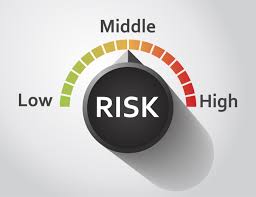
Risk assessment is often the weakest component of feasibility studies conducted by Nigerian entrepreneurs. Many either completely skip risk analysis or provide generic, superficial risk identification without proper mitigation strategies.
Nigeria-Specific Risk Categories
Economic Risks:
- Currency devaluation affecting import-dependent businesses
- Inflation impacting cost structures and consumer purchasing power
- Interest rate fluctuations affecting financing costs
- Economic recession reducing consumer spending
- Foreign exchange restrictions limiting international transactions
Political and Regulatory Risks:
- Policy changes affecting business operations
- New regulations or compliance requirements
- Changes in import/export policies
- Tax policy modifications
- Political instability affecting business confidence
Infrastructure Risks:
- Unreliable power supply increasing operational costs
- Poor transportation networks affecting supply chains
- Limited internet connectivity impacting digital businesses
- Inadequate water supply requiring alternative solutions
- Poor road conditions affecting logistics
Social and Security Risks:
- Security challenges in certain regions
- Social unrest or strikes affecting operations
- Cultural resistance to new products or services
- Demographic shifts changing market dynamics
- Health emergencies (like COVID-19) disrupting business
Developing a Robust Risk Management Strategy
Risk Identification Process:
- Brainstorm potential risks across all business areas
- Categorize risks by impact level and probability
- Research historical precedents and industry experiences
- Consult with industry experts and experienced entrepreneurs
- Consider both internal and external risk factors
Risk Assessment Matrix: Create a comprehensive matrix evaluating:
- Probability of occurrence (Low, Medium, High)
- Potential impact on business (Minor, Moderate, Severe)
- Current mitigation measures
- Additional mitigation strategies needed
- Contingency plans for high-impact risks
Mitigation Strategies:
- Risk Avoidance: Eliminate activities that pose unacceptable risks
- Risk Reduction: Implement measures to reduce probability or impact
- Risk Transfer: Use insurance or partnerships to shift risk
- Risk Acceptance: Acknowledge and plan for manageable risks
Mistake #5: Poor Location and Site Analysis
The Problem
Location decisions significantly impact business success, yet many entrepreneurs choose sites based on convenience or cost alone, without comprehensive analysis of factors that affect customer access, operational efficiency, and long-term viability.
Critical Location Factors for Nigerian Businesses
Accessibility and Transportation:
- Public transportation availability
- Road quality and traffic patterns
- Parking availability for customers and staff
- Proximity to major highways or transport hubs
- Accessibility during rainy season
Customer Demographics:
- Population density and growth trends
- Income levels and spending patterns
- Age distribution and lifestyle preferences
- Cultural and religious considerations
- Competition concentration in the area
Infrastructure Considerations:
- Electricity supply reliability
- Water availability and quality
- Internet connectivity strength
- Waste management services
- Security infrastructure
Regulatory Environment:
- Local government requirements and fees
- Zoning regulations and restrictions
- Environmental compliance needs
- Building codes and safety requirements
- Future development plans for the area
Site Analysis Best Practices
Traffic and Footfall Analysis:
- Count pedestrian and vehicle traffic at different times and days
- Analyze seasonal variations in activity
- Study customer behavior patterns in the area
- Evaluate visibility from main roads
- Assess ease of finding and accessing the location
Cost-Benefit Analysis: Compare total location costs including:
- Rent or purchase price
- Renovation and setup costs
- Ongoing operational expenses
- Transportation costs for supplies and staff
- Potential revenue based on location advantages
Future Planning:
- Research planned infrastructure developments
- Evaluate demographic trends and projections
- Consider potential changes in traffic patterns
- Assess long-term lease or ownership implications
- Plan for possible expansion or relocation needs
Mistake #6: Overlooking Legal and Regulatory Requirements

The Problem
Nigeria’s complex regulatory environment poses significant challenges for new businesses. Many entrepreneurs underestimate the time, cost, and effort required for legal compliance, leading to:
- Delayed business launches while obtaining required permits
- Unexpected fines and penalties for non-compliance
- Operational disruptions due to regulatory issues
- Additional costs for legal consultations and documentation
- Reputation damage from compliance failures
Key Legal and Regulatory Areas
Business Registration and Licensing:
- Corporate Affairs Commission (CAC) registration
- Tax Identification Number (TIN) from Federal Inland Revenue Service
- State government business permits
- Industry-specific licenses and certifications
- Professional body registrations where applicable
Tax Obligations:
- Value Added Tax (VAT) registration and compliance
- Personal Income Tax for employees
- Company Income Tax obligations
- State-specific taxes and levies
- Import duty and customs requirements
Employment and Labor Laws:
- Employment contracts and documentation
- Social security and pension contributions
- Workers’ compensation requirements
- Health and safety regulations
- Minimum wage compliance
Industry-Specific Regulations:
- Food and drug regulations for health-related businesses
- Environmental impact assessments for manufacturing
- Financial services licensing for fintech companies
- Broadcasting licenses for media businesses
- Import/export permits for international trade
Regulatory Compliance Strategy
Early Planning:
- Research all applicable regulations during feasibility study phase
- Consult with legal professionals specializing in your industry
- Create a compliance timeline and budget
- Identify potential regulatory risks and mitigation strategies
- Build relationships with relevant regulatory bodies
Documentation and Record-Keeping:
- Establish proper accounting and record-keeping systems
- Implement compliance monitoring procedures
- Create standard operating procedures for regulatory requirements
- Train staff on compliance obligations
- Regular compliance audits and reviews
Mistake #7: Insufficient Technology and Digital Infrastructure Assessment
The Problem
In today’s digital economy, technology infrastructure assessment is crucial for business success. However, many Nigerian entrepreneurs fail to adequately evaluate their technology needs and the digital infrastructure available in their chosen locations.
Technology Assessment Components
Digital Infrastructure Evaluation:
- Internet connectivity speed and reliability
- Mobile network coverage and quality
- Power supply stability for technology equipment
- Available tech support and maintenance services
- Cybersecurity infrastructure and requirements
Business Technology Needs:
- Point-of-sale systems and payment processing
- Inventory management and accounting software
- Customer relationship management tools
- Digital marketing and social media platforms
- Data backup and security systems
E-commerce and Digital Presence:
- Website development and hosting requirements
- Online payment gateway options
- Digital marketing tools and platforms
- Social media management capabilities
- Search engine optimization needs
Digital Readiness Assessment
Infrastructure Requirements:
- Evaluate minimum internet speed needs for business operations
- Assess backup connectivity options
- Plan for equipment and software investments
- Consider cloud vs. on-premise solutions
- Budget for ongoing technology maintenance and upgrades
Staff Digital Literacy:
- Assess current team’s technical skills
- Plan for training and development programs
- Consider hiring technical specialists
- Evaluate outsourcing options for technical functions
- Create technology adoption and change management strategies
Mistake #8: Inadequate Human Resource Planning
The Problem
Human resource planning is often an afterthought in feasibility studies, yet staffing decisions significantly impact operational costs, productivity, and business success. Common HR planning mistakes include:
- Underestimating staffing needs and associated costs
- Failing to assess local talent availability
- Ignoring cultural and management challenges
- Inadequate planning for staff training and development
- Unrealistic salary and benefit assumptions
Comprehensive HR Assessment
Staffing Requirements Analysis:
- Define roles and responsibilities for each position
- Determine skill requirements and experience levels
- Assess seasonal or part-time staffing needs
- Plan for management and supervisory structure
- Consider outsourcing options for specialized functions
Local Talent Market Evaluation:
- Research availability of skilled workers in your location
- Analyze prevailing salary ranges and benefit expectations
- Evaluate educational institutions producing relevant graduates
- Assess competition for talent from other businesses
- Consider recruitment and retention challenges
HR Cost Planning: Include comprehensive HR costs in your financial projections:
- Base salaries and wage increases
- Statutory benefits (pension, health insurance)
- Performance bonuses and incentives
- Training and development expenses
- Recruitment and onboarding costs
Organizational Development:
- Plan for company culture and values development
- Design performance management systems
- Create career development pathways
- Establish communication and feedback mechanisms
- Plan for leadership succession
Mistake #9: Failing to Test Business Assumptions
The Problem
Many feasibility studies are built on untested assumptions about customer behavior, market demand, operational processes, and financial performance. Without validation, these assumptions can lead to costly surprises after business launch.
Key Assumptions to Test
Market Assumptions:
- Customer willingness to pay proposed prices
- Demand levels for products or services
- Customer acquisition cost and conversion rates
- Market penetration timeline and growth rates
- Competitive response to your market entry
Operational Assumptions:
- Production or service delivery timelines
- Supplier reliability and cost stability
- Quality control and customer satisfaction levels
- Scalability of business processes
- Technology system performance and reliability
Financial Assumptions:
- Revenue recognition timing
- Cost structure accuracy
- Working capital requirements
- Cash flow timing and patterns
- Break-even timeline and profitability
Assumption Testing Methods
Pilot Programs:
- Launch small-scale versions of your business
- Test core business processes and customer interactions
- Validate demand and pricing assumptions
- Identify operational challenges and solutions
- Gather real performance data for projections
Market Testing:
- Conduct pre-sales or crowdfunding campaigns
- Offer limited-time trials or samples
- Partner with existing businesses for test distribution
- Use online platforms for market validation
- Collect and analyze customer feedback
Prototype Development:
- Create minimum viable products (MVPs) for testing
- Iterate based on user feedback and performance
- Test different features and configurations
- Validate technical assumptions and capabilities
- Assess production or service delivery challenges
Mistake #10: Insufficient Funding and Investment Planning
The Problem
Many feasibility studies fail to adequately address funding requirements and investment planning, leading to:
- Underestimation of capital needs
- Inappropriate funding sources for business model
- Lack of contingency funding for unexpected challenges
- Poor understanding of investor expectations
- Inadequate exit strategy planning
Comprehensive Funding Assessment
Capital Requirements Analysis:
- Initial setup and pre-operating expenses
- Working capital needs for first 18-24 months
- Equipment, inventory, and infrastructure investments
- Marketing and business development costs
- Contingency funds for unexpected expenses (15-20% buffer)
Funding Source Evaluation: Different funding sources suit different business models:
Personal and Family Funding:
- Suitable for: Small-scale businesses, service-based ventures
- Advantages: No external obligations, quick access
- Disadvantages: Limited amount, personal risk
Bank Loans and Credit:
- Suitable for: Established business models, asset-backed ventures
- Requirements: Collateral, business plan, financial projections
- Considerations: Interest rates, repayment terms, personal guarantees
Angel Investors and Venture Capital:
- Suitable for: High-growth potential, scalable businesses
- Requirements: Strong team, large market opportunity, exit strategy
- Considerations: Equity dilution, investor expectations, governance
Government Grants and Programs:
- Suitable for: Specific sectors, job creation, export-oriented businesses
- Sources: Bank of Industry, SMEDAN, state government programs
- Requirements: Detailed applications, compliance with program criteria
Crowdfunding and Alternative Financing:
- Suitable for: Consumer-focused products, innovative solutions
- Platforms: Local and international crowdfunding sites
- Considerations: Marketing costs, platform fees, delivery obligations
Investment Planning Strategy
Financial Modeling:
- Create detailed financial projections for 3-5 years
- Develop multiple scenarios (conservative, expected, aggressive)
- Calculate key metrics (ROI, IRR, payback period)
- Perform sensitivity analysis for key variables
- Plan for different funding rounds if needed
Investor Relations:
- Develop compelling value proposition and pitch materials
- Prepare due diligence documentation
- Understand investor expectations and requirements
- Plan for ongoing investor communication and reporting
- Consider governance and control implications
Creating an Action Plan: Your Feasibility Study Checklist
To avoid these common mistakes and create a comprehensive feasibility study, follow this systematic approach:
Phase 1: Preparation and Planning (Weeks 1-2)
- [ ] Define business concept and objectives clearly
- [ ] Assemble feasibility study team (may include consultants)
- [ ] Set budget and timeline for study completion
- [ ] Identify key assumptions to be tested
- [ ] Prepare research methodology and tools
Phase 2: Market Research and Analysis (Weeks 3-6)
- [ ] Conduct comprehensive primary market research
- [ ] Analyze secondary data and industry reports
- [ ] Perform detailed competitive analysis
- [ ] Assess target customer segments and behavior
- [ ] Validate market size and demand assumptions
Phase 3: Technical and Operational Assessment (Weeks 7-10)
- [ ] Evaluate location and site requirements
- [ ] Assess technology and infrastructure needs
- [ ] Plan human resource requirements
- [ ] Analyze operational processes and capabilities
- [ ] Identify suppliers and partnership opportunities
Phase 4: Financial and Risk Analysis (Weeks 11-14)
- [ ] Develop detailed financial projections
- [ ] Conduct comprehensive risk assessment
- [ ] Plan funding requirements and sources
- [ ] Perform sensitivity and scenario analysis
- [ ] Calculate key financial metrics and ratios
Phase 5: Legal and Regulatory Review (Weeks 15-16)
- [ ] Research all applicable regulations and requirements
- [ ] Assess compliance costs and timelines
- [ ] Identify potential legal risks and mitigation strategies
- [ ] Plan for business registration and licensing
- [ ] Consult with legal professionals as needed
Phase 6: Testing and Validation (Weeks 17-20)
- [ ] Conduct pilot programs or market tests
- [ ] Validate key business assumptions
- [ ] Test operational processes and systems
- [ ] Gather customer feedback and data
- [ ] Refine business model based on testing results
Phase 7: Final Analysis and Decision (Weeks 21-22)
- [ ] Compile comprehensive feasibility report
- [ ] Make go/no-go recommendation
- [ ] Plan next steps for business launch or concept revision
- [ ] Present findings to stakeholders and investors
- [ ] Document lessons learned and best practices
Working with Professional Consultants: When and How
While some entrepreneurs can conduct basic feasibility studies independently, complex businesses or industries often require professional expertise. Consider engaging consultants when:
- Your business involves significant capital investment (₦10 million+)
- You’re entering a highly regulated industry
- You lack experience in market research or financial modeling
- You need credibility with investors or lenders
- Your business model is complex or innovative
Selecting the Right Consulting Partner
Expertise and Experience:
- Industry-specific knowledge and track record
- Experience with similar-sized businesses
- Understanding of Nigerian market dynamics
- Professional certifications and qualifications
- Client references and case studies
Service Offerings:
- Comprehensive feasibility study services
- Ongoing business development support
- Access to research tools and databases
- Network of industry contacts and resources
- Training and knowledge transfer capabilities
Working Effectively with Consultants:
- Clearly define project scope and deliverables
- Provide complete access to information and data
- Maintain regular communication and feedback
- Participate actively in the research process
- Plan for knowledge transfer and follow-up support
Conclusion: Building a Foundation for Business Success
Conducting a thorough feasibility study is not just about avoiding failure—it’s about positioning your business for sustainable success in Nigeria’s challenging but opportunistic market. By avoiding these common mistakes and following a systematic approach to feasibility analysis, you can:
- Make informed investment decisions based on solid data
- Identify and mitigate potential risks before they become problems
- Develop realistic business plans and financial projections
- Build credibility with investors, lenders, and partners
- Create a roadmap for successful business launch and growth
Remember that a feasibility study is not a one-time activity. As market conditions change and your business evolves, regularly revisit and update your analysis to ensure continued viability and success.
The investment in a comprehensive feasibility study may seem substantial, but it’s minimal compared to the cost of business failure. Take the time to do it right, and you’ll build a foundation for lasting business success in Nigeria’s dynamic economy.
Ready to conduct a professional feasibility study for your business idea? Contact Novatia Consulting today. Our team of experienced consultants specializes in helping Nigerian entrepreneurs navigate market complexities and build successful businesses.
Novatia Consulting – Your Partner in Strategic Business Growth
📧 Email: [email protected]
📞 Phone: +234-803-484-1560
🌐 Website: www.novatiaconsulting.com
📍 Office: Lagos | Abuja | Port Harcourt