
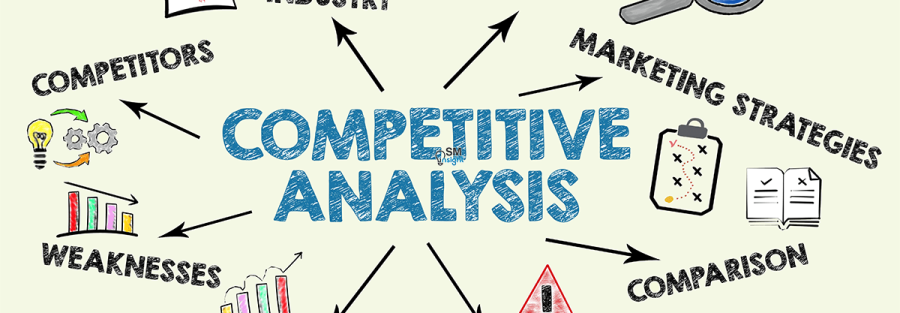

What Is Competitor Analysis and Why Does Your Business Need It?
Competitor analysis is a strategic process that involves evaluating the strengths and weaknesses of your rivals in the market. By examining their strategies, performance, and market positioning, you gain valuable insights into how your business can differentiate itself and capitalize on opportunities.
Understanding your competitors allows you to anticipate their moves, identify gaps in the market, and refine your own business strategies for sustainable growth. In Nigeria’s dynamic business landscape, where competition is fierce and consumer preferences constantly evolve, conducting a thorough competitor analysis is crucial to staying ahead of the curve.
Without a comprehensive competitor analysis in Nigeria, your business risks operating in a vacuum, unaware of the challenges and opportunities presented by other players in the market. By neglecting this vital aspect of strategic planning, you may miss out on valuable insights that could potentially drive your business to outperform competitors and capture a larger share of the market.
In a country with a diverse and rapidly growing economy like Nigeria, where market dynamics can change swiftly, knowing your competitors inside out is the key to making informed decisions that propel your business towards success.
How to Conduct a Competitor Analysis: A Step-by-Step Guide for SMEs
To conduct a thorough competitor analysis in Nigeria, you must first immerse yourself in the world of business intelligence in Nigeria. This means gathering data not just on your own business but on the entire industry landscape. Look at market trends, customer preferences, and your rivals’ strategies. Dive into the details to understand what sets your competitors apart and where they might be falling short. By honing your business intelligence in Nigeria, you can gain valuable insights that will shape your competitive analysis strategy effectively.
Next, map out a systematic approach to analyzing your competitors. Start by identifying key players in your industry and segmenting them based on various factors such as market share, pricing strategies, and target demographics. By breaking down this information into manageable chunks, you can create a comprehensive picture of the competitive landscape in Nigeria.
Remember, the goal is not just to gather data but to derive actionable insights that will help your business thrive amidst fierce competition in the dynamic Nigerian market.
The Key Components of an Effective Competitor Analysis Framework for Nigerian Businesses
When diving into the realm of competitor analysis for Nigerian companies, one key component to consider is the utilization of SWOT analysis. This strategic tool helps businesses identify their strengths, weaknesses, opportunities, and threats in the market landscape.
By conducting a SWOT analysis specifically tailored to the Nigerian market, companies can unveil valuable insights that pave the way for effective decision-making and strategic planning. Through this process, businesses can gain a deeper understanding of their internal capabilities and external factors that impact their competitive positioning within the Nigerian business landscape.
In addition to SWOT analysis for Nigerian companies, another crucial component of an effective competitor analysis framework is the thorough evaluation of industry trends and market dynamics. By closely monitoring and mapping industry trends in Nigeria, businesses can stay ahead of the curve and proactively adapt their strategies to meet the evolving needs of the market.
This forward-thinking approach empowers Nigerian businesses to anticipate changes, capitalize on emerging opportunities, and mitigate potential threats in a rapidly changing business environment, ultimately strengthening their competitive advantage and driving sustainable growth.
Top Tools for Business Intelligence in Nigeria: Make Smarter Competitive Decisions
Having the right tools for business intelligence is crucial to staying ahead of competition in the dynamic Nigerian business landscape. These tools empower you to make strategic decisions based on concrete data and analysis rather than guesswork. Imagine being equipped with real-time insights into your competitors’ moves, market trends, and consumer preferences—this is the power that top tools for business intelligence bring to the table. With these tools at your disposal, you can navigate the competitive terrain with confidence, anticipate shifts in the market, and unlock opportunities that might otherwise go unnoticed. It’s not just about surviving; it’s about thriving and outpacing your rivals in the game of business warfare.
Some of the top tools for business intelligence in Nigeria include robust platforms like Power BI, Tableau, and Google Analytics. These tools offer user-friendly interfaces coupled with advanced analytics capabilities, enabling you to visualize data, track key performance indicators, and gain actionable insights at a glance. By harnessing the power of these tools, Nigerian businesses can make smarter decisions based on data-driven strategies rather than gut feelings. In a competitive landscape where information is key, arming yourself with these tools is akin to having a strategic advantage that can propel your business to new heights.
How Nigerian SMEs Can Use Business Intelligence to Outperform Their Competitors
Business intelligence acts as a strategic compass for Nigerian SMEs, guiding them through the complexities of a competitive market.
Think of it as a crystal ball that not only tracks what’s happening now but also helps predict competitors’ next moves. By leveraging real-time data, trends, and actionable insights, SMEs can sharpen their strategies, anticipate market shifts, and stay several steps ahead. It’s not just about reacting—it’s about being proactive, spotting opportunities early, and addressing threats before they surface. In today’s fiercely competitive business environment, knowledge is power—and business intelligence is the tool that empowers Nigerian SMEs to thrive and outshine the competition.
Imagine you’re a Nigerian SME trying to stand out in a saturated market. With business intelligence, you’re no longer making blind guesses—you’re guided by strategic insights that clarify your next move. It’s like having a secret weapon that gives you a decisive edge over the competition. By embracing data-driven decision-making, Nigerian SMEs can adapt quickly, innovate confidently, and establish themselves as industry leaders. In a business landscape where agility and adaptability are critical, business intelligence is more than a tool—it’s a lifeline for those determined to succeed.
Competitive Intelligence vs. Business Intelligence in Nigeria: What’s the Difference?
Business intelligence and competitive intelligence are two essential pillars that support strategic decision-making for companies in Nigeria.
Business intelligence focuses on analyzing internal data to streamline operations, boost performance, and uncover growth opportunities. In contrast, competitive intelligence involves collecting and evaluating external market data to understand competitors’ strategies, strengths, and weaknesses. When combined, these insights empower Nigerian businesses to operate more efficiently, navigate the competitive landscape, and make smart, forward-looking decisions that drive long-term success.
In Nigeria’s fast-paced and highly competitive business environment, it’s crucial to clearly understand the difference between business intelligence and competitive intelligence. Business intelligence helps companies make better decisions by using internal data to optimize resources and spot market trends. On the other hand, competitive intelligence focuses on understanding the market landscape—tracking competitors, identifying threats, and uncovering new opportunities. When used together, these two approaches enable Nigerian businesses to navigate uncertainty, stay ahead of the competition, and build a strong foundation for long-term success.
SWOT Analysis for Nigerian Companies: How to Build a Clear Strategic Advantage

It’s crucial for Nigerian companies to build a clear strategic advantage through a SWOT analysis. By identifying internal Strengths and Weaknesses alongside external Opportunities and Threats, businesses gain valuable insights to make informed decisions. Think of it as a roadmap that helps navigate the competitive landscape, highlighting areas where your company excels and where improvements are needed. This analysis isn’t just a theoretical exercise; it provides actionable steps to capitalize on strengths, address weaknesses, seize opportunities, and mitigate threats in the dynamic Nigerian market.
Imagine this scenario: a small-scale manufacturing company in Nigeria conducts a SWOT analysis and discovers that while they have a strong local market presence (Strength), they lack an online marketing strategy (Weakness). With the booming e-commerce trend in Nigeria (Opportunity), they realize the need to invest in digital marketing to reach wider audiences. Additionally, the threat of increasing competition from international brands prompts them to innovate their product line and improve customer service. By leveraging the insights from their SWOT analysis, this Nigerian company can strategically position itself for growth and sustainable success in the ever-evolving business landscape.
A Practical SWOT Analysis Example for Nigerian SMEs in a Volatile Economy
When diving into a SWOT analysis for your Nigerian SME in such a fluctuating economic landscape, you need to start with a deep understanding of your Strengths. Ask yourself: What unique resources or capabilities does your business possess that set you apart in the industry? Whether it’s a robust online presence, a loyal customer base, or innovative product offerings, recognizing and leveraging these assets can be a game-changer in staying resilient during times of uncertainty. Remember, these strengths not only position you in the market but also act as pillars of support during challenging times, safeguarding your business against sudden shifts in the economy.
Moving on to Weaknesses, it’s crucial to identify areas where your Nigerian SME may be vulnerable. Consider aspects like limited funding, lack of market diversification, or inefficient operational processes that could hinder your growth potential. By acknowledging these weaknesses, you pave the way for strategic improvements and proactive measures to mitigate risks. Embracing this awareness allows you to transform weaknesses into opportunities for growth, fostering a culture of continuous improvement and adaptability in the face of economic volatility.
How to Identify Strengths, Weaknesses, Opportunities, and Threats in Nigeria’s Market
Identifying the strengths, weaknesses, opportunities, and threats in Nigeria’s market is a fundamental exercise for any business looking to thrive in this dynamic environment. Let’s break it down. Strengths could be factors like established brand recognition, innovative product offerings, or a loyal customer base. These aspects set you apart and give you a competitive edge. On the flip side, weaknesses may include gaps in your distribution network, limited financial resources, or reliance on a single revenue stream. Recognizing these areas for improvement can guide your strategic planning and allocation of resources for growth.
Now, let’s delve into opportunities and threats. Opportunities present exciting prospects for expansion, such as emerging markets, technological advancements, or changing consumer preferences that align with your offerings. Seizing these opportunities can fuel your business growth. On the other hand, threats like increased competition, regulatory changes, or economic downturns pose risks that could impact your operations. By identifying and understanding these external challenges, you can proactively adapt your strategies to mitigate risks and stay ahead in the ever-evolving Nigerian market.
Competitive Positioning in Nigeria: How to Benchmark Your Brand Against Rivals
When it comes to the competitive landscape in Nigeria, understanding how to position your brand against rivals is crucial for sustained success. It’s not just about knowing your competitors; it’s about leveraging that knowledge to effectively benchmark your brand and stand out in the market. In a sea of diverse businesses vying for attention, strategic competitive positioning can be your compass pointing towards growth and relevance. By analyzing your competitors’ strengths and weaknesses, you can identify gaps in the market where your brand can excel. Think about it this way: positioning isn’t just about being better than others; it’s about carving a unique space where your brand shines brightest.
To successfully benchmark your brand against rivals in Nigeria, consider the unique cultural nuances and market dynamics that shape consumer behavior. By identifying your strengths and opportunities in the market, you can tailor your messaging and offerings to resonate with Nigerian consumers effectively. Remember that in a market as dynamic as Nigeria, staying ahead of the curve requires constant monitoring of your competitors’ strategies and industry trends. By using this knowledge strategically, you can position your brand not only as a competitor but as a leader in the eyes of your target audience.
How to Analyze Your Competitors’ Marketing Strategies in Nigeria
Analyzing your competitors’ marketing strategies is like deciphering a code that holds the key to unlocking valuable insights and competitive advantages for your business. By examining how your rivals position their brand, communicate with customers, and promote their products or services, you gain a deeper understanding of the market landscape and can fine-tune your own marketing approach for maximum impact. Have you ever wondered how some businesses seem to effortlessly attract customers while others struggle to make an impact? The answer often lies in the strategic intricacies of their marketing tactics.
Imagine being able to peek behind the curtain of your competitors’ campaigns, unveiling the tactics and messaging that drive their success. By conducting a thorough analysis of their marketing strategies—whether it’s the platforms they use, the tone of their messaging, or the success metrics they prioritize—you can gain valuable insights into what resonates with your target audience and how you can differentiate your brand in a crowded marketplace. In a dynamic business environment like Nigeria, where competition is fierce and consumer preferences are constantly evolving, staying ahead of the curve with a keen eye on your competitors’ marketing plays a vital role in shaping your brand’s success story.
Industry Trend Mapping: Using Business Intelligence in Nigeria for Forecasting
Understanding industry trends and utilizing business intelligence for forecasting can be a game-changer for Nigerian businesses. By mapping out trends in the market landscape, companies gain valuable insights into emerging opportunities and potential threats. It’s like having a roadmap to navigate the complex terrain of the business world, helping you anticipate shifts before they happen and stay ahead of the curve. This proactive approach not only minimizes risks but also opens up exciting possibilities for growth and innovation, positioning your business as a trailblazer in your industry.
By leveraging business intelligence tools to forecast industry trends in Nigeria, you can fine-tune your strategic decision-making process. Imagine being able to predict customer preferences, anticipate competitor moves, and adapt your business model accordingly. It’s all about staying agile and responsive in a dynamic market environment. With the right insights at your fingertips, you can make informed choices that propel your business towards success, capitalizing on upcoming trends and staying resilient in the face of change.
Ultimately, industry trend mapping through business intelligence empowers Nigerian businesses to make smarter, more strategic decisions that drive sustainable growth and competitive advantage.
The Role of SWOT Analysis in Nigerian Business Strategy Development
When developing a sound business strategy in Nigeria, integrating a SWOT (Strengths, Weaknesses, Opportunities, and Threats) analysis framework is paramount. By conducting a SWOT analysis, businesses can gain valuable insights into internal resources, potential pitfalls, market trends, and competitive landscapes.
This structured approach helps in identifying areas for growth, mitigating risks, and optimizing decision-making processes. Think of the SWOT analysis as your company’s roadmap, guiding you towards leveraging strengths, addressing weaknesses, capitalizing on opportunities, and preparing for potential threats in the dynamic Nigerian business environment.
Understanding the role of SWOT analysis in Nigerian business strategy development is akin to holding a magnifying glass over your company’s operations and industry positioning. It allows you to pinpoint strategic directions, refine value propositions, and align goals with market realities.
For businesses in Nigeria, a well-executed SWOT analysis serves as a foundation for informed decision-making and a proactive stance in navigating the intricacies of the local market. Embracing this analytical tool empowers organizations to stay agile, anticipate challenges, and capitalize on emerging opportunities for long-term success and growth.
How to Leverage Competitive Analysis to Enter New Markets in Nigeria
Entering new markets in Nigeria can be a game-changer for your business. By leveraging competitive analysis, you can gain invaluable insights into the local landscape. For example, understanding your competitors’ pricing strategies, distribution channels, and marketing tactics. This intelligence arms you with the knowledge needed to position your brand effectively in the new market, giving you a competitive edge. The key is not just to dive into a new market blindly but to do so strategically, with a well-thought-out plan that is informed by thorough competitive analysis.
Imagine this scenario: you are a Nigerian business eyeing expansion into a new state in the country. Through competitive analysis, you find out that your main competitors in this area are focusing heavily on traditional advertising but neglecting social media platforms where your target audience is highly active. Armed with this knowledge, you can craft a marketing strategy that capitalizes on this gap, allowing you to reach your potential customers effectively. Leveraging competitive analysis in this manner empowers you to make informed decisions that can set you apart in a new market and propel your business to success.
Business Intelligence for Nigerian Startups: Insights to Outpace the Competition
Business intelligence is like a secret weapon for Nigerian startups looking to gain an edge over their competition. By tapping into the power of data analysis, these budding businesses can uncover hidden trends, consumer preferences, and market opportunities that can propel them to success. Imagine having a crystal ball that reveals the next big trend or the most effective marketing strategy tailored specifically for your target audience. That’s the game-changing potential of business intelligence for startups in Nigeria.
Moreso, in a dynamic business landscape like Nigeria, where competition is fierce and market trends evolve rapidly, the ability to make informed decisions quickly can mean the difference between sinking or swimming. With the right business intelligence tools in their arsenal, startups can stay ahead of the curve, anticipate changes in consumer behavior, and pivot their strategies proactively. By leveraging data-driven insights, Nigerian startups can outpace their competitors, seize opportunities swiftly, and carve out a unique position in the market that resonates with their target audience.
The Most Common Mistakes in SWOT Analysis for Nigerian Companies—and How to Avoid Them
One common mistake in conducting a SWOT analysis for Nigerian companies is focusing too much on internal factors while neglecting external ones. It’s crucial to remember that strengths and weaknesses are only part of the equation; opportunities and threats in the external environment play a significant role in shaping your strategic decisions. By overlooking these external factors, businesses may miss out on potential growth opportunities or fail to mitigate looming threats that could impact their operations.
Another frequent misstep is conducting a SWOT analysis without seeking input from a diverse range of stakeholders within the company. It’s essential to involve employees from different departments, management levels, and areas of expertise to gain a comprehensive understanding of the business landscape. By gathering insights from a variety of perspectives, companies can uncover blind spots, identify hidden strengths, and unearth potential opportunities that may have gone unnoticed. Collaboration and inclusivity are key to developing a well-rounded SWOT analysis that accurately reflects the true essence of the organization.
Novatia’s Proven Competitive Analysis Framework for Nigerian Business Growth
Novatia’s Proven Competitive Analysis Framework for Nigerian Business Growth is tailored to help businesses thrive in the dynamic marketplace of Nigeria. Understanding your competitors is crucial to gaining a competitive edge and positioning your brand strategically. By utilizing Novatia’s framework, businesses can uncover valuable insights into market trends, consumer behavior, and industry benchmarks that can inform their strategic decision-making processes.
Through a detailed analysis of your competitors’ strengths, weaknesses, opportunities, and threats, Novatia’s framework provides a comprehensive overview of the competitive landscape in Nigeria. This in-depth understanding allows businesses to identify key areas for growth, potential threats to navigate, and unique opportunities to capitalize on. By integrating this framework into your business strategy, you can proactively adapt to market changes, anticipate competitor moves, and drive sustainable growth in the Nigerian business ecosystem.
FAQs
What Is competitor analysis in Nigeria and why does your business need it?
Competitor analysis in Nigeria is the process of evaluating your competitors’ strengths and weaknesses to identify opportunities for your own business. It helps you understand the competitive landscape, adapt your strategies, and stay ahead in the market.
How to conduct a competitor analysis in Nigeria: A step-by-step guide for SMEs?
To conduct a competitor analysis in Nigeria, start by identifying your key competitors, analyzing their products, pricing, marketing strategies, and customer base. Use tools like social media monitoring, industry reports, and surveys to gather data and make informed decisions.
What are the key components of an effective competitor analysis framework for Nigerian businesses?
An effective competitor analysis framework for Nigerian businesses includes identifying competitors, analyzing their strengths and weaknesses, evaluating market trends, and setting clear objectives. It also involves monitoring competitor activities, conducting SWOT analysis, and adapting strategies based on insights.
How Nigerian SMEs can use business intelligence to outperform their competitors?
Nigerian SMEs can use business intelligence to gather market insights, analyze customer behavior, track competitor activities, and make data-driven decisions. By leveraging business intelligence tools and data analytics, SMEs can identify growth opportunities and stay competitive in the market.
What is the difference between competitive intelligence and business intelligence in Nigeria?
Competitive intelligence in Nigeria focuses on gathering information about competitors, market trends, and industry dynamics to gain a competitive advantage. Business intelligence, on the other hand, involves analyzing internal data to make informed business decisions and improve operational efficiency.
How to identify strengths, weaknesses, opportunities, and threats in Nigeria’s market?
To identify strengths, weaknesses, opportunities, and threats in Nigeria’s market, conduct a SWOT analysis by evaluating your company’s internal strengths and weaknesses, along with external opportunities and threats. Use data, market research, and competitor analysis to uncover key insights.
How to analyze your competitors’ marketing strategies in Nigeria?
To analyze your competitors’ marketing strategies in Nigeria, study their online and offline promotional activities, social media presence, advertising campaigns, and customer engagement tactics. By understanding how your competitors market their products, you can identify gaps and opportunities for improvement.
How to leverage competitive analysis to enter new markets in Nigeria?
To leverage competitive analysis to enter new markets in Nigeria, identify key competitors in the target market, assess market demand, understand consumer behavior, and tailor your marketing strategies accordingly. By analyzing competitor positioning and market trends, you can develop a successful market entry strategy.
What are the most common mistakes in SWOT analysis for Nigerian companies—and how to avoid them?
Common mistakes in SWOT analysis for Nigerian companies include overlooking key factors, ignoring market dynamics, focusing only on internal factors, and failing to update the analysis regularly. To avoid these mistakes, involve multiple stakeholders, gather diverse perspectives, and conduct a thorough analysis based on current data.
How can Nigerian startups use business intelligence insights to outpace the competition?
Nigerian startups can use business intelligence insights to identify market trends, customer preferences, competitor strategies, and growth opportunities. By leveraging data analytics, predictive modeling, and market research, startups can make informed decisions, innovate their products, and stay ahead of the competition.