
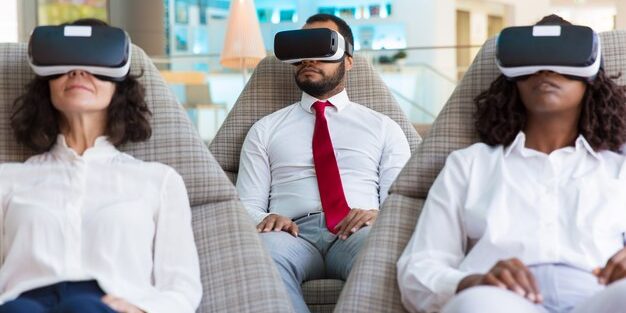
At Novatia Consulting, we are at the forefront of Virtual Reality Consulting in Nigeria, transforming industries with our innovative solutions. By leveraging immersive technology, we empower businesses to enhance customer engagement, foster brand loyalty, and craft unforgettable experiences. Our expertise encompasses various sectors, including healthcare, education, and marketing, allowing us to create customized strategies that cater to your specific requirements. With Virtual Reality consulting, you can revolutionize training programs and develop captivating narratives that resonate deeply with your audience. We firmly believe that embracing virtual reality unveils new avenues for growth and interaction. Join us as we navigate the exciting possibilities of Virtual Reality Consulting in Nigeria and elevate your business in this dynamic landscape.
Key Takeaways
- Novatia Consulting: Leading the Way in Virtual Reality Consulting in Nigeria
- Unlocking Potential: How Virtual Reality Consulting in Nigeria Transforms Healthcare and Education
- Enhancing Engagement: The Role of Immersive Storytelling in Virtual Reality Consulting in Nigeria
- Strategic Planning and Project Management in Virtual Reality Consulting in Nigeria: Ensuring Success
- Collaborating with Experts: Innovative Solutions in Virtual Reality Consulting in Nigeria
- Measuring Success: The Importance of Data Collection and ROI Analysis in Virtual Reality Consulting in Nigeria
Understanding Virtual Reality
In recent years, we've witnessed a remarkable advancement in technology, and understanding virtual reality (VR) stands out as a groundbreaking force. To grasp the essence of VR, we need to examine its rich history alongside the cutting-edge technology that propels it forward. From its inception in the 1960s with pioneering systems like the Sensorama, to the immersive platforms we see today, the evolution of virtual reality is truly remarkable. It's astonishing to reflect on how far we've come, transitioning from rudimentary devices to sophisticated simulations that offer immersive and realistic experiences.
At its core, understanding virtual reality technology involves a blend of hardware and software designed to create engaging environments. Headsets, motion trackers, and haptic feedback systems work in harmony to transport users into virtual worlds. These advancements allow us to participate in experiences that were once confined to our imaginations. The technology thrives on the principles of 3D imaging and sensory integration, making interactions feel real and intuitive.
As we delve into the potential applications of understanding virtual reality, it's evident that this knowledge extends beyond the technology itself; it encompasses its capacity to reshape how we learn, communicate, and entertain. With VR, we can simulate real-world scenarios, conduct training in safe environments, and even create new forms of art. This progress invites us to rethink our relationship with digital content and opens avenues for innovation that we are only beginning to explore. Interacting with VR isn't merely about consumption; it's about experiencing and reshaping our understanding of reality itself.
Benefits of VR for Businesses
Countless businesses are discovering the transformative benefits of virtual reality (VR) as they seek innovative ways to engage customers and enhance operations. One key advantage of VR for businesses is its cost-effectiveness; it allows companies to create immersive experiences without the extensive overhead associated with traditional marketing. We can improve user involvement by delivering engaging content that resonates with diverse VR audience demographics, which is essential in today's competitive landscape.
As we explore VR market trends, it becomes clear that businesses investing in VR are not just keeping pace; they're leading the way. By leveraging VR software solutions, organizations can efficiently create tailored experiences that meet specific customer needs, driving higher satisfaction rates. In addition, we can tackle VR accessibility issues by ensuring that our content is designed to be inclusive, thereby expanding our reach.
With an array of VR hardware options available, we can select the right tools that fit our unique project timelines and budget constraints. Collaborating with VR industry partnerships can also enhance our offerings, allowing us to take advantage of shared expertise and resources.
VR Applications in Various Industries
As businesses harness the power of VR, its applications across various industries are becoming increasingly evident. We're witnessing remarkable healthcare innovations, where VR allows medical professionals to simulate surgeries, improving their skills without risk to patients. In the entertainment sector, VR creates immersive experiences that captivate audiences, fundamentally altering how we consume media.
In the realm of real estate, VR visualization is a game changer. With VR, potential buyers can tour properties from anywhere, enabling them to make informed decisions faster. Similarly, educational advancements through VR provide students with interactive learning environments, making complex subjects more engaging and accessible.
Tourism opportunities have also expanded; imagine exploring historical sites or natural wonders from the comfort of your home, broadening horizons while attracting more visitors in the physical world. In the gaming industry, advancements in VR technology are pushing the limits of interactivity, allowing players to fully immerse themselves in virtual worlds.
Architectural simulations are revolutionizing how we design spaces, enabling architects to visualize and modify projects before they're built. Retail interactions are becoming more dynamic as well, with VR allowing customers to virtually try products before making a purchase, thereby improving decision-making.
Finally, social connectivity through VR enables friends and family to interact in virtual environments, overcoming geographic barriers. In sports training, athletes can use VR to practice and analyze their performance in a controlled setting.
In all these areas, it's clear that VR isn't just a novelty; it's a transformative tool that has the potential to redefine how industries operate and thrive.
How VR Enhances Training Programs
How Virtual Reality is Transforming Training Programs for Enhanced Learning
Virtual reality is revolutionizing training programs, offering immersive experiences that traditional methods simply can't match. With VR, we're stepping into realistic environments that allow learners to engage deeply with the material. Imagine interactive simulations where employees can practice skills in a safe, controlled setting, enhancing their skill retention and making the learning process not just effective but also enjoyable.
These immersive experiences foster learner involvement like never before. Through scenario-based training, individuals can navigate complex situations that they might encounter in real life, building confidence and competence. Plus, VR provides instant feedback mechanisms, allowing learners to understand their mistakes and adjust their approaches in real-time. This immediate reinforcement greatly boosts cognitive learning, ensuring that the knowledge gained is both profound and lasting.
Moreover, VR offers cost-effective solutions to training challenges. By reducing the need for physical resources and travel, organizations can allocate funds more efficiently while still delivering high-quality training. Accessibility improvements mean that even those in remote areas can benefit from the same training opportunities as their urban counterparts.
In essence, as we embrace virtual reality in training programs, we're not just enhancing the learning experience; we're creating a dynamic, engaging, and effective learning environment. This transformation is essential for businesses looking to stay competitive in an ever-evolving marketplace. Let's harness the potential of VR to elevate our training programs and empower our workforce.
Creating Immersive Marketing Campaigns
There's no denying that immersive marketing campaigns are revolutionizing the way brands connect with consumers. At Novatia Consulting, we believe that the power of virtual reality (VR) lies in its ability to create unforgettable experiences through immersive storytelling. By leveraging VR technology, we can transcend traditional advertising methods and engage audiences in ways that resonate profoundly.
Imagine a world where potential customers are not just passive viewers but active participants in a brand's narrative. With immersive marketing campaigns, we transport them into meticulously crafted environments where they can explore products and services firsthand. This level of engagement fosters an emotional connection, making the brand's message more memorable and impactful.
We've witnessed how immersive storytelling can captivate audiences by placing them at the heart of the experience. Whether it's walking through a virtual showroom or participating in an interactive narrative, consumers feel a sense of ownership and involvement that static ads simply cannot achieve. This connection not only enhances brand loyalty but also drives conversions, as audiences are more likely to remember and share their experiences.
Incorporating VR into our marketing strategies means we're not merely telling our clients' stories; we're inviting consumers to live them. As we embrace this innovative approach, we're confident that immersive marketing campaigns will redefine how brands connect with consumers in the ever-evolving landscape of consumer behavior. Let's explore these possibilities together and unlock the full potential of immersive storytelling for your brand.
Designing Interactive Product Showcases
Building Engaging Interactive Product Showcases for Immersive Marketing
Harnessing the power of immersive marketing, designing engaging interactive product showcases elevates consumer involvement to unprecedented heights. We're not merely showcasing products; we're creating captivating experiences that deeply engage consumers. By integrating state-of-the-art interactive design, we develop virtual environments that enable users to explore products in ways that traditional marketing strategies cannot replicate.
Envision a potential customer donning a VR headset and stepping into a vibrant digital showroom where they can interact with your product from every conceivable angle. They have the freedom to customize features, alter colors, and even test functionalities—all from the comfort of their own space. This profound level of product involvement nurtures a stronger connection between the consumer and the brand, making them feel integral to the narrative.
Our methodology is grounded in a comprehensive understanding of how users engage with digital content. We leverage feedback and data analytics to refine our interactive designs, ensuring that every interaction is not only intuitive but also impactful. This endeavor transcends mere aesthetics; it's about crafting a seamless journey that culminates in conversion. With our expertise in VR consulting, we empower businesses in Nigeria to enhance their marketing strategies through these transformative interactive showcases.
We firmly believe that the future of product presentation is anchored in immersion and interactivity. By adopting these principles, you are not just displaying a product; you are inviting consumers into an engaging narrative that cultivates interest and fosters loyalty. Let's engage your audience like never before and distinguish your brand in an increasingly crowded marketplace.
The VR Development Process
The process of developing an engaging VR experience begins with a clear vision and strategic planning. It is crucial to identify our goals and target audience to create compelling VR content that resonates with users. Understanding VR market trends is essential to ensure we align with current audience expectations and technological advancements.
Next, we delve into VR content creation, emphasizing immersive storytelling techniques that captivate users. By leveraging innovative VR storytelling, we can enhance the VR user experience, making it both memorable and impactful. During this phase, we also focus on selecting the right VR hardware, confirming compatibility with intended platforms while optimizing performance.
Once we have laid a solid foundation, we proceed to VR software development. This stage involves choosing the right tools and frameworks to bring our vision to life, ensuring smooth functionality and an intuitive user interface. Throughout this process, effective VR project management is vital. We maintain clear communication and timelines to keep our team coordinated and focused on our objectives.
Finally, we prioritize VR audience involvement. We will incorporate feedback loops and analytics to refine our experiences, ensuring we meet user needs and expectations. By staying attuned to audience reactions, we can implement iterative improvements that elevate the overall VR user experience.
Together, we will navigate this intricate process, harnessing the power of VR to create transformative experiences that leave a lasting impression. With our combined expertise, we are poised to revolutionize the way users interact with virtual environments.
Choosing the Right VR Tools
When embarking on our journey to create immersive VR experiences, choosing the right VR tools is paramount to our success. The process begins with a thorough VR tool selection that aligns with our project's vision and goals. We should conduct a VR software comparison to identify platforms that offer the necessary features while also considering user experience.
Next, we must engage in a VR hardware evaluation. Selecting the right hardware isn't just about performance; it's also about compatibility with our chosen software. We need to assess how each piece of equipment can enhance the VR user experience, ensuring it meets the technical requirements we've established.
As we explore our VR platform options, let's keep scalability in mind. The tools we choose should not only support our current project but also allow us to expand and adapt in the future. This foresight can save us from costly re-evaluations down the line.
Of course, we can't overlook VR budget considerations. It's crucial to strike a balance between quality and cost-effectiveness. By rigorously evaluating all aspects of our VR project, we can ensure that our investments translate into remarkable immersive experiences.
Case Studies of Successful VR Projects
As we delve into the realm of virtual reality (VR), exploring successful case studies not only reveals innovative applications but also imparts valuable lessons that can inform our own projects. One notable example is a VR training program developed for a major oil company in Nigeria. This initiative exemplified the effective implementation of VR to enhance safety training, resulting in a significant reduction in workplace incidents. The creative use cases highlighted how immersive simulations can revolutionize traditional training methods, ultimately enriching user experience and project outcomes.
Another compelling case involved a local real estate firm that integrated VR technology to provide virtual property tours. By forging strategic partnerships with VR developers, they established a user-friendly platform that aligned with market trends, drawing in more clients and expediting sales. Client feedback underscored the realistic and engaging qualities of these virtual tours, showcasing the transformative impact of VR on industry practices.
Additionally, a healthcare initiative harnessed VR for patient therapy, exemplifying technological advancements in mental health treatment. This project not only achieved positive outcomes but also illuminated the innovative solutions that VR can offer in tackling complex challenges.
These case studies illustrate that with the right approach and a deep understanding of user needs, we can leverage VR's potential to yield impactful results. By drawing insights from these successful implementations, we can enhance our ability to develop innovative solutions that promote growth and elevate user experiences in our own VR projects.
Overcoming VR Implementation Challenges
Navigating the Challenges of Virtual Reality Implementation
Steering through the landscape of virtual reality (VR) implementation can be intimidating, with numerous challenges potentially hindering progress. However, we can overcome these hurdles together by strategically addressing them head-on.
First, let's discuss the importance of user involvement in VR implementation. Creating a compelling user experience is essential, and this begins with robust content creation tailored to our audience's needs. We must guarantee our VR content resonates with users, driving interaction and satisfaction.
Next, we often encounter technical hurdles related to hardware limitations and software compatibility in VR implementation. By investing in the right technology and continuously updating our software, we can lessen these issues, providing a seamless experience that keeps users immersed.
We should also focus on training requirements for our team during the VR implementation process. A well-trained staff is necessary to maneuver through the complexities of VR, guaranteeing that everyone understands the tools and processes involved. This leads to increased efficiency and effectiveness, ultimately enhancing user experience.
Moreover, budget constraints can be a significant barrier to successful VR implementation. By prioritizing expenditures and seeking innovative funding solutions, we can allocate resources efficiently and maximize our project's impact.
Lastly, securing stakeholder buy-in is essential for maintaining project timelines in VR implementation. We must communicate the benefits of VR clearly, illustrating how it corresponds with organizational objectives. By fostering collaboration and transparency, we can guarantee that everyone is on board, facilitating smoother implementation.
The Future of VR in Nigeria
The Promising Future of VR in Nigeria: Transforming Education, Entertainment, and Beyond
The future of virtual reality (VR) in Nigeria holds immense potential, with countless opportunities to transform various sectors, from education to entertainment. As we explore this innovative frontier, we can envision VR social experiences that connect communities, allowing users to interact in immersive environments regardless of geographical barriers.
Revolutionizing Education with VR: A New Era of Learning
In education, VR trends are set to revolutionize classrooms, making learning more captivating and accessible. Imagine students exploring historical landmarks or complex scientific phenomena firsthand, significantly boosting knowledge retention and enthusiasm. The integration of VR into educational curricula could provide immersive experiences that foster deeper understanding and engagement.
Innovations in Healthcare: Enhancing Medical Training through VR
Meanwhile, VR innovations in healthcare promise to improve medical training and patient care. By offering immersive simulations for practitioners and therapeutic experiences for patients, VR can create realistic training environments that enhance skill development and patient outcomes.
Expanding VR Entertainment: A Thriving Market for Gaming and Creativity
The growth of VR entertainment is equally exciting, with an expanding market for VR gaming that captivates users through interactive storytelling and gameplay. As developers create more diverse content, we can expect a surge in VR art exhibitions, showcasing local talents and nurturing a vibrant creative community that resonates with audiences.
Addressing Accessibility: Ensuring Everyone Benefits from VR Advancements
However, it is crucial to address VR accessibility issues to ensure that these advancements benefit everyone. Bridging the digital divide is essential for widespread adoption, allowing all demographics to participate in VR's transformative experiences and ensuring equitable access to its benefits.
Unlocking Tourism Potential: Virtual Tours of Nigeria's Rich Heritage
Lastly, the tourism potential of VR is immense, as it enables virtual tours of Nigeria's rich cultural heritage and breathtaking landscapes, enticing global travelers to visit in person. By harnessing these trends, we can collectively shape a future where VR improves lives, strengthens communities, and drives economic growth across Nigeria.
Let's embrace this journey together into the promising future of VR!
Integrating VR With Other Technologies
Harnessing the power of cutting-edge technologies, we can seamlessly integrate virtual reality (VR) with artificial intelligence (AI), augmented reality (AR), and the Internet of Things (IoT) to create immersive experiences that redefine our interactions with the world. This integration of VR technology allows us to push the boundaries of user involvement, transforming interactions from mere visual encounters to deeply interactive and responsive experiences.
Imagine a training simulation where AI analyzes user behavior in real-time, adapting scenarios to suit each individual's learning curve. The combination of VR and AI enables us to craft experiences that are not only captivating but also highly effective in skill development. When we incorporate AR, the distinction between the physical and digital realms begins to fade, allowing users to see virtual elements superimposed onto their actual surroundings. This enhancement leads to improved user experiences, whether we are exploring a new city or collaborating on intricate projects.
Furthermore, utilizing IoT devices facilitates real-time data collection and feedback, enriching the authenticity of our VR experiences. For example, in a virtual retail environment, we can employ IoT sensors to gather insights on customer interactions, thereby optimizing the virtual layout based on user behavior.
Measuring the Impact of VR
As we delve into the integration of VR with AI, AR, and IoT, it is crucial to measure the impact of these technologies on user experiences and outcomes. Effective impact assessment is essential for understanding how immersive environments affect engagement levels, learning results, and overall satisfaction.
To accurately measure the impact, we must adopt a structured approach to data collection. By leveraging user feedback, we can gain valuable insights into their experiences and tailor our VR offerings accordingly. Performance metrics such as time spent in the virtual environment, task completion rates, and user retention provide quantifiable measures of engagement.
Additionally, conducting a robust ROI analysis is vital to evaluate the financial viability of our VR initiatives. This analysis should encompass both tangible benefits, such as increased sales or productivity, and intangible gains, including enhanced brand loyalty and customer satisfaction.
Experience evaluation must also align with current market trends. By remaining attuned to industry shifts, we can adjust our strategies to ensure that our VR solutions stay relevant and impactful.
Ultimately, measuring the impact of VR goes beyond data collection; it involves transforming that data into actionable insights. As we refine our methodologies and adopt innovative evaluation techniques, we can not only enhance our offerings but also advance the future of Virtual Reality Consulting in Nigeria. Together, we can pave the way to maximize the potential of VR technology, ensuring it delivers meaningful results for users and businesses alike.
Collaborating With VR Experts
Collaborating With VR Experts: Unlocking the Future of Virtual Reality
When it comes to maximizing the potential of Virtual Reality, collaborating with VR experts can make all the difference. By forming expert partnerships, we enable project collaboration that leads to groundbreaking solutions tailored to our specific needs. These collaborations foster technology sharing, allowing us to leverage cutting-edge tools and techniques that would otherwise be beyond our reach.
Through knowledge exchange, we can tap into the vast reservoir of insights and experiences that VR specialists possess. This synergy not only accelerates our innovation strategies but also improves skill development within our teams. As we work side by side with VR experts, we nurture a culture of learning and adaptability, essential for maneuvering the fast-evolving landscape of virtual technology.
Effective resource management becomes a shared responsibility as we integrate our teams with those of our VR partners. This team integration guarantees that everyone is synchronized in vision and goal setting, maximizing efficiency and impact. By setting clear objectives together, we can streamline our efforts and maintain focus on what truly matters.
Ultimately, collaborating with VR experts isn't merely a choice; it's a strategic move that positions us at the forefront of innovation. With their guidance, we can explore uncharted territories in Virtual Reality, pushing boundaries and redefining possibilities. Let's harness the power of collaboration to transform our ideas into reality, creating experiences that resonate and inspire.
Getting Started With VR Consulting
Exploring the Potential of VR Consulting: A Journey into Transformative Experiences
Diving into the world of Virtual Reality (VR) consulting opens up a domain of possibilities as we seek to transform our ideas into compelling experiences. To get started, we need to immerse ourselves in the latest VR market trends. Understanding where the industry is heading allows us to align our strategies with emerging technologies and consumer expectations.
Assessing the Current VR Landscape: Identifying Key Trends
First, let's assess the current landscape. VR isn't just about gaming anymore; it's revolutionizing sectors like education, healthcare, and real estate. By identifying these trends, we can pinpoint our niche and tailor our offerings to meet specific market demands.
Enhancing the VR User Experience: Prioritizing Design and Engagement
Next, we have to focus on enhancing the VR user experience. This means designing intuitive interfaces, developing engaging content, and ensuring seamless interactions. As we embark on this journey, we should actively seek feedback from users to refine our solutions continuously. Testing and iteration are key to achieving excellence in VR applications.
Collaborating with VR Professionals: Building a Strong Network
Moreover, let's leverage our network of VR professionals. Collaborating with developers, designers, and strategists will enhance our capabilities, enabling us to deliver innovative solutions.
Educating Clients on the Value of VR Consulting: Positioning Ourselves as Trusted Advisors
Finally, we should be prepared to educate our clients on the transformative potential of VR. By articulating the value and benefits, we can position ourselves as trusted advisors in this evolving landscape.
Embarking on an Exciting VR Consulting Venture: Creating Extraordinary Experiences
Together, let's initiate this exciting venture, harnessing the power of VR to create extraordinary experiences that not only captivate users but also drive results for our clients.
Frequently Asked Questions
What Are the Costs Associated With Virtual Reality Consulting Services?
When evaluating the costs associated with virtual reality consulting services, it's essential to conduct a thorough cost breakdown that encompasses initial assessments, project implementation, and ongoing support. The service tiers available can differ significantly based on their complexity and level of customization. By carefully choosing a tier that aligns with our specific needs, we can optimize value while making a prudent investment. Let's delve deeper into these options to identify the best fit for our objectives!
How Long Does a Typical VR Project Take to Complete?
When it comes to a typical VR project, the timeline for completion can vary significantly. Generally, we divide the process into development phases, each lasting anywhere from a few weeks to several months, depending on the project's complexity. From the initial concept to final testing, we ensure that every stage is meticulously crafted. By collaborating closely, we can streamline the timeline for a typical VR project, making it efficient while delivering an engaging experience that aligns with your vision.
What Qualifications Should I Look for in a VR Consultant?
When seeking the right VR consultant, it's crucial to prioritize specific qualifications. Expertise in VR project management is essential, as it ensures the consultant can navigate complex tasks with ease. Additionally, strong technical skills in programming and 3D modeling are vital. Experience in user experience design can significantly enhance the project's success. Ultimately, we are looking for a professional who not only comprehends the technology but can also articulate their vision effectively.
Can VR Be Integrated With Existing Business Software?
Absolutely, integrating VR with existing business software can significantly enhance our processes. By ensuring compatibility between VR software and our current systems, we can create immersive experiences that streamline operations and boost productivity. Picture training simulations or virtual meetings seamlessly connecting with our established platforms! This innovative approach not only increases engagement but also drives improvements in business processes. We shouldn't overlook the potential of leveraging VR to transform our workflows and elevate our business to new heights.
What Industries Are Currently Leading in VR Adoption?
As we delve into the landscape of VR adoption, several industries are leading the charge in utilizing virtual reality to enhance their operations. The gaming industry stands at the forefront, with innovations that have revolutionized entertainment and captivated audiences around the globe. Concurrently, sectors such as healthcare and education are harnessing VR through training simulations, significantly improving learning outcomes and skill acquisition. These advancements are not mere trends; they are fundamentally transforming our interaction with technology. By embracing the potential of VR, we can foster innovation and efficiency across diverse fields, crafting immersive experiences that redefine what is possible.