
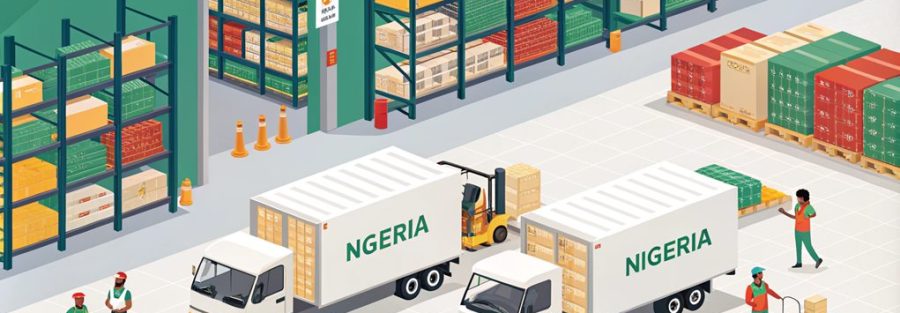
At Novatia Consulting, we understand that Order Fulfillment Optimization in Nigeria is crucial for enhancing customer satisfaction and boosting operational efficiency. By tackling challenges such as inadequate logistics infrastructure and inefficient cost management, we develop customized strategies that enhance accuracy and decrease delivery times. Leveraging advanced technology allows us to streamline our processes and offer real-time tracking, which increases transparency. Our emphasis on inventory management and strong supplier collaboration ensures responsiveness to changing demands. By collaborating with us, you will uncover strategies that can significantly elevate your fulfillment performance—stay tuned for insights that could transform your approach.
Key Takeaways
- The Importance of Order Fulfillment Optimization in Nigeria for Customer Satisfaction and Loyalty
- Order fulfillment accuracy is crucial for customer satisfaction and loyalty in Nigeria's challenging logistics environment.
- Enhancing Operational Efficiency Through Order Fulfillment Optimization in Nigeria
- Streamlining logistics and adopting advanced technologies can significantly enhance operational efficiency and reduce fulfillment costs.
- Effective Inventory Management: A Key Component of Order Fulfillment Optimization in Nigeria
- Effective inventory management practices, including accurate forecasting and regular audits, prevent stockouts and improve cash flow.
- The Role of Real-Time Tracking Systems in Order Fulfillment Optimization in Nigeria
- Real-time tracking systems improve customer communication and transparency throughout the order fulfillment process.
- Building Supplier Relationships for Successful Order Fulfillment Optimization in Nigeria
- Building strong supplier relationships ensures timely replenishment and quality control, essential for meeting fluctuating demand.
Importance of Order Fulfillment
In today's fast-paced marketplace, the significance of order fulfillment cannot be overstated. As we delve into this critical aspect, it becomes clear that order accuracy plays a pivotal role in ensuring customer satisfaction. When our customers receive exactly what they ordered, it cultivates trust and loyalty—both of which are essential for long-term success. Additionally, we must consider delivery speed; prompt deliveries not only enhance customer experiences but can also differentiate us from our competitors.
However, it is imperative to balance these priorities with fulfillment costs. Effective management of our supply chain is crucial for optimizing expenses without compromising quality. This is where operational scalability comes into play. As we expand our operations, we must ensure that our processes can adapt to fluctuating demand while upholding high standards in order fulfillment.
Moreover, return management is a vital component that deserves attention. A streamlined approach to handling returns not only elevates customer satisfaction but also has a positive impact on our bottom line. Lastly, we must focus on packaging efficiency; thoughtfully designed packaging reduces waste and lowers fulfillment costs while ensuring that products arrive safely at their destinations.
Challenges in Nigerian Logistics
Navigating the Challenges of Order Fulfillment in Nigerian Logistics
Optimizing order fulfillment involves maneuvering through a landscape filled with logistical challenges, particularly in Nigeria. As we explore the intricacies of logistics, we quickly recognize that transportation issues are at the forefront. Poor road conditions and inadequate transport options frequently lead to delivery delays, impacting customer satisfaction and overall efficiency.
Moreover, supply chain disruptions are common, often stemming from a combination of regulatory challenges and infrastructure limitations. Steering through complex regulations can slow down processes, further exacerbating these disruptions. We must also confront the reality that infrastructure inadequacies, such as unreliable power sources and subpar warehousing facilities, hinder our ability to execute timely deliveries.
Cost inefficiencies arise as we grapple with these challenges. When transportation routes are inefficient or when we face unexpected delays, our operational costs can spiral. These issues are compounded by workforce shortages, which not only limit our capacity but also challenge our ability to maintain service standards.
Lastly, technology adoption remains a critical hurdle. While many logistics firms are keen to embrace innovative solutions, the lack of reliable internet connectivity and digital literacy can stymie progress. Without effective technology integration, logistics companies risk falling further behind in an increasingly competitive market.
Key Components of Fulfillment
Several key components form the backbone of effective order fulfillment, each playing a significant role in guaranteeing customer satisfaction and operational efficiency. To optimize fulfillment processes, we must first focus on logistics efficiency. This involves streamlining our supply chain and ensuring that every link, from suppliers to fulfillment centers, operates seamlessly.
Order tracking is another crucial component. By providing real-time data to our customers, we not only enhance their experience but also arm ourselves with insights for better resource allocation. Knowing the status of each order within our delivery networks allows us to anticipate potential delays and respond proactively.
Packing strategies should not be overlooked, as they directly impact cost and customer satisfaction. Efficient packing ensures that products are well-protected during transit while minimizing shipping costs. Striking this balance is essential for maintaining profit margins without compromising quality.
Additionally, we must prioritize return management. An effective return process not only underscores our commitment to customer satisfaction but also aids in maintaining inventory accuracy. A streamlined return system can enhance our reputation and encourage repeat business.
Role of Technology in Optimization
The Role of Technology in Optimizing Order Fulfillment: A Strategic Approach
Technology serves as the backbone of our order fulfillment optimization efforts, fundamentally transforming how we manage logistics and customer interactions. In today's fast-paced environment, leveraging advanced technologies such as artificial intelligence (AI) is essential for enhancing our supply chain efficiency. AI empowers us to analyze vast amounts of data, allowing for more accurate demand forecasting and inventory management. By employing machine learning algorithms, we can predict customer behavior and adjust our inventory levels accordingly, minimizing stockouts and overstocks.
Moreover, automation tools streamline repetitive tasks, freeing up our workforce to focus on more strategic initiatives. For instance, automated order processing systems can significantly reduce the time taken from order placement to fulfillment, thereby improving our overall response time. This not only boosts customer satisfaction but also optimizes resource allocation within our supply chain.
Integrating technology into our logistics operations enhances visibility across the supply chain. Real-time tracking systems provide us with critical insights into shipment statuses, enabling proactive communication with customers. This transparency builds trust and fosters long-term relationships.
Finally, we must not overlook the importance of data analytics in our optimization efforts. By continuously analyzing performance metrics, we can identify bottlenecks and inefficiencies in our order fulfillment processes. This data-driven approach allows us to refine our strategies and make informed decisions, ultimately leading to a more agile and responsive supply chain.
In essence, the strategic application of technology, particularly AI, is vital for achieving order fulfillment optimization both in Nigeria and globally.
Strategies for Efficient Warehousing
As we leverage advancements in technology to enhance our order fulfillment processes, it is evident that efficient warehousing is crucial to our overall supply chain strategy. To optimize warehouse operations, we must begin with an effective warehouse layout that maximizes space utilization. By designing storage areas according to product demand and size, we can enhance inventory turnover and ensure that popular items are easily accessible.
Next, implementing strategic picking strategies that minimize travel time for our employees is essential. Utilizing techniques such as zone picking or wave picking can streamline the picking process. Alongside comprehensive employee training, this can lead to increased order accuracy and reduced errors in order fulfillment.
Additionally, we must emphasize the importance of safety protocols in efficient warehousing. A safe working environment not only protects our workforce but also minimizes disruptions in operations. Regular maintenance of equipment is vital to prevent breakdowns that can hinder productivity and affect customer satisfaction.
Moreover, focusing on packaging efficiency is key. By optimizing our packaging processes, we can reduce waste and lower shipping costs, positively impacting our bottom line. Lastly, establishing a robust stock replenishment system ensures that we never run out of popular items, thereby maintaining our service levels and preserving customer trust.
Inventory Management Best Practices
Effective Inventory Management: The Backbone of a Successful Order Fulfillment Strategy
Effective inventory management is the backbone of a successful order fulfillment strategy. To improve our operations, we must focus on several best practices that guarantee ideal inventory turnover and maintain stock accuracy. First, implementing robust demand forecasting allows us to predict customer needs accurately, minimizing excess inventory while ensuring we meet demand.
Supplier Collaboration: A Key Component of Effective Inventory Management
Supplier collaboration plays a vital role in effective inventory management; by working closely with suppliers, we can streamline our replenishment schedules and improve inventory visibility. This collaboration enables us to establish appropriate reorder points, ensuring we maintain safety stock without overcommitting resources.
The Importance of Regular Cycle Counting in Inventory Management
Regular cycle counting should be part of our routine to verify stock accuracy and promptly address discrepancies. This practice not only helps in maintaining inventory valuation but also assists in identifying slow-moving items, which can affect our overall efficiency.
Monitoring Safety Stock Levels: A Critical Element of Effective Inventory Management
We also need to monitor our safety stock levels carefully. While it's important to have a buffer against unexpected demand spikes, excessive safety stock can tie up capital and lead to increased holding costs.
Streamlining Shipping Processes
With a solid inventory management system in place, we can now focus on streamlining our shipping processes to enhance overall order fulfillment efficiency. This critical phase directly impacts our ability to meet customer expectations and optimize resources. By implementing effective shipping strategies, we can minimize delays, reduce costs, and elevate our service quality.
First, we should analyze our current shipping methods to identify inefficiencies. Are we utilizing the most cost-effective carriers? Are our shipping routes optimized for speed and reliability? Addressing these questions will allow us to improve our delivery optimization efforts. For instance, leveraging data analytics can help us select carriers based on performance metrics, enabling us to prioritize partnerships that align with our service goals.
Next, we can explore integrating technology into our shipping processes. Automation tools can streamline label printing, tracking, and inventory updates, significantly reducing the manual workload on our team. Utilizing real-time tracking systems not only enhances operational efficiency but also provides valuable insights into our shipping performance.
Enhancing Customer Communication
Effective Communication: The Key to Enhancing Customer Satisfaction
Clear and open lines of communication are vital for improving customer satisfaction during the order fulfillment process. When we prioritize effective communication, we can greatly reduce uncertainties and build trust with our customers. By utilizing multiple communication channels, such as email, chat, and social media, we can ensure our customers are kept informed at every stage of their order. This strategy not only streamlines interactions but also facilitates easier access for customers to reach out with their inquiries or concerns.
Furthermore, actively seeking customer feedback is essential for effective communication. When we encourage our customers to share their thoughts and experiences, we gain valuable insights that help us refine our processes. For instance, if customers express confusion about shipping updates, it signals a need for clearer messaging. By addressing these concerns promptly, we enhance our communication strategy and improve the overall customer experience.
In addition, providing regular updates throughout the order fulfillment process can alleviate the anxiety customers may feel while waiting for their products. Automated notifications regarding order status, shipping details, and expected delivery times keep customers informed and demonstrate that we value their time and business.
Leveraging Data Analytics
Leveraging Data Analytics to Optimize Order Fulfillment Processes
Building on our efforts to improve customer communication, leveraging data analytics presents a powerful opportunity to further optimize our order fulfillment processes. By utilizing data visualization techniques, we can transform complex datasets into easily understandable insights that enhance decision-making. This approach not only aids in identifying trends and patterns in order volumes but also allows us to monitor performance metrics in real-time, enabling swift adjustments when necessary.
Moreover, employing predictive analytics tools can significantly improve our forecasting capabilities. These tools analyze historical data to predict future demand, helping us better manage inventory levels and allocate resources efficiently. For instance, if we observe an uptick in demand for a particular product during specific seasons, we can proactively adjust our stock levels to prevent stockouts or overstock situations.
By integrating data analytics into our order fulfillment strategy, we can minimize delays, reduce operational costs, and ultimately enhance customer satisfaction. The strategic use of data is essential for us to remain competitive in the dynamic landscape of order fulfillment in Nigeria.
Furthermore, we must ensure that our teams are trained to understand and act on the insights generated from these data analytics tools. This commitment to continuous improvement through data-driven strategies will not only streamline our operations but also solidify our reputation as a reliable partner for our customers. In this data-centric era, harnessing the power of data analytics is not just an advantage; it's a necessity for success.
Implementing Automation Solutions
Automation Solutions: Revolutionizing Order Fulfillment for Enhanced Efficiency
Automation solutions are revolutionizing the way we approach order fulfillment, allowing us to streamline processes and improve efficiency. By implementing automated workflows, we can greatly reduce the time and effort needed to manage orders from inception to delivery. These workflows minimize human error and guarantee that tasks are completed in a timely manner, leading to faster order processing and improved customer satisfaction.
Key Components of Successful Automation: Robotics Integration
One of the key components of successful automation is robotics integration. By incorporating robotics into our fulfillment centers, we can optimize inventory management and boost picking accuracy. Automated guided vehicles (AGVs) and robotic arms can work alongside our teams to transport goods, pick items, and even pack orders. This not only speeds up the fulfillment process but also allows our workforce to focus on higher-value tasks that require human judgment and creativity.
Tailoring Automation Solutions to Meet Diverse Client Needs in Nigeria
When we consider the diverse needs of our clients in Nigeria, it's crucial to tailor our automation solutions to fit specific operational challenges. We should assess our current systems, identify bottlenecks, and determine how automation can address these issues effectively. By strategically implementing these technologies, we're not just improving our efficiency; we're also setting ourselves up for scalability and adaptability in an ever-evolving marketplace.
Case Studies of Success
Successful implementation of automation solutions has led to remarkable outcomes across various industries, showcasing the potential benefits for order fulfillment optimization. We've witnessed firsthand how companies leveraging technology can streamline their processes, minimize errors, and enhance customer satisfaction. For example, a retail client that adopted a sophisticated warehouse management system achieved a 40% reduction in order processing time and a significant decrease in inventory discrepancies. By aligning their practices with industry standards, they not only improved their operational efficiency but also established themselves as a market leader.
Another compelling case involves a logistics provider that integrated automated sorting and tracking systems into their operations. This strategic initiative enabled them to manage a 30% increase in order volume without sacrificing service quality. By benchmarking their performance against top-tier logistics firms, they identified key areas for improvement and implemented targeted automation solutions that drove impressive results.
Moreover, a manufacturing company that embraced robotics for order picking experienced a remarkable 50% increase in throughput. Their success story exemplifies how aligning technology with business objectives can yield exceptional outcomes. These case studies highlight that when we adopt successful implementations of automation tailored to specific industry needs, the potential for transformation is substantial. As we navigate the future of order fulfillment optimization, we can glean insights from these successes and aim to replicate them across various sectors in Nigeria and beyond.
Custom Solutions for Businesses
Custom Solutions for Businesses: Bridging the Gap in Order Fulfillment
In the realm of order fulfillment, businesses frequently discover that off-the-shelf solutions fail to adequately tackle their unique challenges. This realization often prompts a deeper exploration into the realm of custom solutions, enabling strategies that align more closely with operational needs and customer expectations. In the ever-evolving landscape of order fulfillment, particularly in Nigeria, it's crucial to understand that standard approaches might leave significant gaps in both efficiency and responsiveness.
When we evaluate our fulfillment processes, we identify specific pain points that generic solutions simply cannot address. Factors such as fluctuating demand patterns, regional logistics challenges, and unique product specifications call for tailored solutions that are both adaptable and scalable. By adopting custom solutions, we can enhance our workflows, optimize inventory management, and ultimately elevate customer satisfaction.
Additionally, it's vital to incorporate technology into our custom solutions. Utilizing data analytics, for instance, empowers us to accurately forecast demand and streamline our supply chain operations. This proactive strategy not only minimizes delays but also cuts costs, ensuring we maintain a competitive edge in the market.
Partnering With Novatia Consulting
Enhancing Order Fulfillment Through Strategic Partnership with Novatia Consulting
As we navigate the complexities of order fulfillment, partnering with Novatia Consulting emerges as a strategic move that can significantly enhance our operational efficiency. Their consulting expertise provides us with customized solutions that specifically address our unique challenges within the Nigerian market. By leveraging their profound understanding of local dynamics, we can streamline our processes and mitigate the inefficiencies that often impact order fulfillment.
One of the primary advantages we gain from collaborating with Novatia is access to data-driven insights. Their analytical methodology enables us to pinpoint bottlenecks in our supply chain and formulate actionable strategies. With Novatia's guidance, we can enhance our inventory management, ensuring we meet customer demands without the risk of overstocking. This optimization not only improves our cash flow but also aligns our operations with industry best practices.
Moreover, Novatia's expertise in technology integration aids us in implementing systems that support real-time tracking and reporting. This level of transparency cultivates a more responsive operational framework, allowing us to adapt swiftly to market fluctuations. By harnessing their consulting expertise, we can also refine our workforce training programs, equipping our team with the essential skills to thrive in a competitive landscape.
Measuring Fulfillment Performance
Building on our partnership with Novatia Consulting, measuring fulfillment performance becomes a pivotal focus for optimizing our operations. Effective measurement allows us to identify strengths and weaknesses, enabling us to refine our processes continuously. By employing the right fulfillment metrics, we can gain valuable insights into our operational efficiency and customer satisfaction.
One critical area we must focus on is delivery accuracy, which assesses how often we meet promised delivery dates. This metric directly impacts customer trust and satisfaction. Another essential metric in measuring fulfillment performance is order cycle time, which measures the duration from order placement to delivery. By analyzing this data, we can pinpoint bottlenecks and streamline our processes.
Furthermore, we should establish performance standards within our industry. These standards serve as a reference point, helping us to gauge our performance against our competitors. For instance, if our average order processing time greatly exceeds the industry standard, it's a clear signal that we need to implement changes in measuring fulfillment performance.
Additionally, tracking inventory turnover rates allows us to understand how efficiently we're managing our stock. High turnover can indicate effective inventory management, while low turnover might suggest overstocking or inefficiencies in our supply chain, ultimately affecting our measuring fulfillment performance.
Future Trends in Fulfillment
Anticipating Future Trends in Fulfillment: Navigating an Evolving Landscape
Anticipating future trends in fulfillment reveals an evolving landscape shaped by technological advancements and shifting consumer expectations. As we look ahead, we can identify several key trends that will considerably impact how we operate and optimize order fulfillment.
First, the integration of artificial intelligence and machine learning will enable us to improve inventory management, predicting demand patterns with unprecedented accuracy. This proactive approach will allow us to minimize stockouts and overstock situations, coordinating our capabilities more closely with consumer expectations for rapid delivery.
Moreover, sustainability in fulfillment is becoming a focal point for consumers. We must adopt sustainable practices, not just for compliance but as a strategic advantage. Emphasizing eco-friendly packaging, reducing carbon footprints, and optimizing delivery routes are essential moves that resonate with environmentally-conscious consumers. By prioritizing sustainability, we can build brand loyalty and set ourselves apart in a competitive market.
Additionally, omnichannel fulfillment strategies will continue to gain traction. Consumers now expect a seamless experience across all platforms, whether they're shopping online or in-store. Our ability to integrate these channels effectively will be essential to meeting and exceeding consumer expectations.
Lastly, as we witness the rise of same-day delivery services in fulfillment, we need to rethink our logistics strategies. Investing in local distribution centers and advanced technologies will be critical to achieving this level of service without sacrificing efficiency or quality.
Frequently Asked Questions
What Industries Benefit Most From Order Fulfillment Optimization in Nigeria?
When considering the industries that benefit most from order fulfillment optimization in Nigeria, the rapid growth of e-commerce emerges as a key player. As online retail continues to evolve, businesses are compelled to enhance their supply chain processes to effectively meet the surging consumer demands. Key sectors such as retail, food delivery, and logistics stand to gain significantly by implementing optimized fulfillment strategies. This approach not only boosts customer satisfaction but also enhances profitability, ensuring that companies remain competitive in a progressively digital marketplace.
How Can Small Businesses Implement Fulfillment Optimization Strategies Effectively?
To effectively implement fulfillment optimization strategies, small businesses should prioritize enhancing inventory management and shipping efficiency. By regularly analyzing inventory levels and demand patterns, businesses can minimize excess stock and streamline their processes. Adopting technology for tracking shipments can significantly reduce delays. Collaborating with reliable shipping partners ensures timely deliveries. By strategically coordinating these elements, small businesses can create a more efficient fulfillment system that ultimately boosts customer satisfaction and drives growth.
What Are Common Misconceptions About Order Fulfillment in Nigeria?
When addressing common misconceptions about order fulfillment in Nigeria, it's crucial to highlight the complexities of inventory management and the challenges associated with shipping. Many individuals mistakenly believe that merely having stock available ensures prompt delivery; however, this is a significant oversimplification. Effective order fulfillment hinges on robust inventory management practices and the ability to navigate shipping hurdles. By clarifying these misconceptions, businesses can develop more effective fulfillment strategies, ultimately enhancing customer satisfaction.
How Does Order Fulfillment Optimization Impact Customer Satisfaction?
When we consider the impact of order fulfillment optimization on customer satisfaction, it becomes clear that it plays a crucial role. Enhancing order accuracy and delivery speed allows us to not only meet but also exceed customer expectations. Swift deliveries elevate the overall experience, while precise orders minimize frustration. This strategic focus on optimization fosters trust and loyalty, ensuring that customers are likely to return. Therefore, it is imperative that we prioritize these elements in our fulfillment processes to deliver a more satisfying and reliable service to our customers.
What Training Resources Are Available for Logistics Professionals in Nigeria?
When it comes to training resources for logistics professionals in Nigeria, there are several valuable options available. Numerous training programs focused on supply chain management are offered by universities and specialized institutions throughout the country. Additionally, certification courses from reputable organizations can significantly enhance skills and credibility within the field. By engaging in these educational opportunities, logistics professionals can stay ahead of industry trends and improve their overall effectiveness in logistics management.