
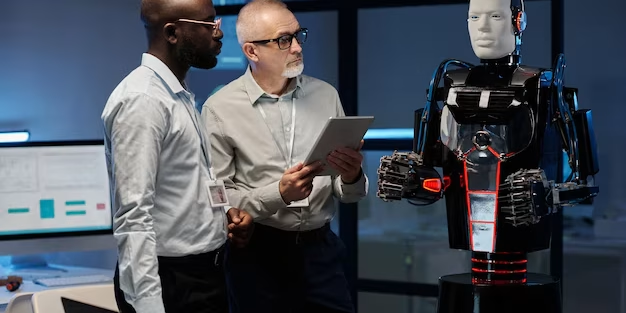
At Novatia Consulting, we understand the immense potential that a Human-Machine Collaboration Strategy in Nigeria holds. This innovative framework promotes a synergistic partnership between humans and machines, ultimately enhancing productivity and fostering innovation across various industries. By seamlessly integrating advanced technologies and focusing on workforce upskilling, we can significantly optimize workflows and drive cost efficiency.
While we recognize that challenges such as cultural resistance and technology gaps need to be addressed, the benefits derived from implementing a Human-Machine Collaboration Strategy are substantial. These advantages include streamlined processes and data-driven decision-making, which are crucial for any organization aiming for growth.
Together, we will delve into the essential components and successful implementations of this strategy, paving the way for transformative growth within the Nigerian landscape. There remains a wealth of opportunities to explore in this exciting journey ahead.
Key Takeaways
Maximizing Productivity: The Importance of Human-Machine Collaboration Strategy in Nigeria
- Human-Machine Collaboration Strategy in Nigeria fosters productivity and innovation across industries, particularly in agriculture and manufacturing sectors.
- Continuous training and upskilling of the workforce are essential for successfully integrating collaborative technologies within the Human-Machine Collaboration Strategy framework.
- Effective communication and collaboration tools within the Human-Machine Collaboration Strategy bridge the gap between human intuition and machine precision.
- Organizations adopting a Human-Machine Collaboration Strategy benefit from a culture of collaboration, leading to improved efficiency and data-driven decision-making.
- Addressing challenges like cultural resistance and technology gaps is crucial for the successful implementation of the Human-Machine Collaboration Strategy in Nigeria.
Definition of Human-Machine Collaboration
Understanding Human-Machine Collaboration: A Synergistic Partnership for Success
Human-machine collaboration, as we see it, refers to the synergistic partnership between humans and intelligent systems, where each complements the other's strengths to achieve a common goal. This concept is at the heart of human-machine synergy, emphasizing that the most effective outcomes arise when we intelligently intertwine human capabilities with advanced technologies.
The Role of Collaborative Robotics in Human-Machine Collaboration
In exploring the definition of human-machine collaboration, we can highlight the role of collaborative robotics. These systems are designed to work alongside human operators, improving productivity while ensuring safety and efficiency. They're not merely tools; they're partners that adapt to our needs, learning from our actions and providing assistance in real-time.
Creating an Environment for Human-Machine Collaboration to Thrive
We must recognize that this collaboration isn't just about integrating machines into workflows; it's about fostering an environment where both humans and machines can thrive together. By leveraging our cognitive strengths—such as creativity, problem-solving, and emotional intelligence—with the precision, speed, and consistency of intelligent systems, we can tackle complex challenges more effectively.
Strategic Implementation of Collaborative Technologies in Human-Machine Collaboration
As we investigate deeper into this dynamic, it is important to reflect on how we can strategically implement these collaborative technologies in various sectors. The potential for innovation is immense when we truly embrace human-machine collaboration. It's not just a trend; it's a paradigm shift that has the power to redefine industries and improve our capabilities, ultimately leading us toward a more efficient and productive future. Together, we can harness this synergy to achieve remarkable outcomes that benefit society as a whole.
Importance in Nigerian Industries
The Transformative Potential of Collaborative Technologies in Nigerian Industries
In the context of Nigeria's rapidly evolving industries, the integration of collaborative technologies offers transformative potential. As we navigate the complexities of economic growth and globalization, recognizing the importance of human-machine collaboration becomes crucial. By leveraging advanced technologies, we can significantly enhance productivity and foster innovation across various sectors.
The benefits of collaboration are evident; it enables us to streamline operations, reduce costs, and improve decision-making processes. For example, in agriculture, machines can optimize planting and harvesting, allowing farmers to concentrate on strategic planning and market analysis. This synergy not only boosts yields but also contributes to food security, a critical need in Nigeria.
Furthermore, industry adaptation is essential for maintaining competitiveness in today's fast-paced environment. As we experience a shift towards automation, embracing these changes rather than resisting them is imperative. By incorporating collaborative technologies, we can upskill our workforce, ensuring that our human resources effectively complement machine capabilities. This strategy not only maximizes efficiency but also enhances job satisfaction as employees engage in more meaningful and strategic roles.
In sectors such as manufacturing and healthcare, the potential for collaboration is vast. By merging human intuition and creativity with machine precision and speed, we can attain results that were previously unattainable. Ultimately, embracing human-machine collaboration is not merely a trend; it is a strategic imperative that can propel Nigeria's industries into a more sustainable and innovative future. Together, let's harness this potential to drive growth and resilience throughout our economy.
Key Components of the Strategy
To successfully implement a human-machine collaboration strategy, it is essential to begin by identifying the key components that underpin its effectiveness. At the core of this strategy are robust collaboration tools that facilitate seamless interaction between humans and machines. These tools not only enhance operational efficiency but also ensure that both parties can share information effortlessly, thus fostering a more integrated working environment.
Next, developing effective communication strategies is crucial in bridging the gap between human intuition and machine precision. By establishing clear channels for feedback and information exchange, we can cultivate an atmosphere where both humans and machines learn from one another. This continuous dialogue allows us to refine processes and adapt to changing demands in real time.
Moreover, training and upskilling employees is an essential component of our strategy. We must equip our workforce with the necessary skills to effectively utilize these collaboration tools. This enables them to harness technology in their daily tasks, ultimately improving productivity and driving innovation.
Benefits for Organizations
Over time, organizations that adopt a human-machine collaboration strategy can unlock significant benefits that enhance both efficiency and innovation. By integrating advanced collaboration tools with human expertise, we streamline workflows and boost productivity across various departments. This synergy allows for more effective resource allocation, ensuring employees focus on high-value tasks while machines manage repetitive or data-intensive activities.
Moreover, fostering a culture of collaboration between humans and machines can transform our organizational environment. It promotes adaptability and openness to new technologies, essential in today's fast-paced business landscape. As we cultivate this mindset, we not only enhance operational efficiency but also empower our workforce to embrace change and innovation. This cultural shift can lead to improved job satisfaction and higher retention rates, as employees feel more engaged and valued.
Additionally, utilizing data analytics and machine learning enables us to glean insights that inform strategic decision-making. This data-driven approach enhances our capacity to anticipate market trends and customer needs, positioning us ahead of the competition. Ultimately, the human-machine collaboration strategy transcends mere technology; it represents a fundamental transformation of our organizational culture towards continuous improvement and innovation.
Challenges to Implementation
Numerous challenges can arise when implementing a human-machine collaboration strategy within organizations. One of the primary barriers to adoption is the cultural resistance we often encounter. Employees may perceive machines as threats to their job security, leading to hesitance in adopting new technologies. This cultural resistance can create significant integration obstacles, hindering collaboration between human workers and machines.
Moreover, addressing technology gaps is essential. Not all organizations have access to the latest technologies, which can limit our ability to effectively integrate human and machine capabilities. Workforce readiness is another crucial factor; if our teams aren't adequately trained to work alongside machines, the strategy's effectiveness will falter. We must ensure that everyone is equipped with the necessary skills to thrive in this new environment.
Communication challenges frequently arise as well. Clear channels of communication are vital for fostering a collaborative atmosphere, yet miscommunication can lead to misunderstandings regarding roles and responsibilities. This is where robust management support becomes critical. Leaders must actively champion the strategy and guide their teams through the change process.
Lastly, infrastructure issues can impede progress. Outdated systems may not support the advanced technologies we aim to implement, necessitating investment in upgrades. By understanding these challenges—barriers to adoption, integration obstacles, cultural resistance, technology gaps, workforce readiness, communication challenges, management support, and infrastructure issues—we can develop strategic solutions that pave the way for successful human-machine collaboration.
Case Studies in Nigeria
A range of case studies in Nigeria illustrates the potential and challenges of human-machine cooperation across various sectors. One notable example is in the agriculture sector, where we've seen the integration of cooperative tools that improve workforce involvement. By employing drones for crop monitoring, farmers can optimize their processes, leading to significant improvements in productivity metrics. This kind of technology integration not only boosts yields but also fosters a culture of innovation among the workforce.
In the manufacturing industry, we've observed how automation impacts job roles. By implementing robotics in assembly lines, companies have streamlined project management, allowing human workers to focus on higher-level tasks that require critical thinking and skill improvement. The strategic use of automation leads to impressive process optimization, proving that machines can complement human efforts rather than replace them.
Additionally, industry partnerships have emerged to facilitate knowledge transfer and technology sharing. For instance, local startups work together with multinational corporations to develop tailored solutions, ensuring that the organizational culture remains adaptive and receptive to change. These partnerships improve both the quality and efficiency of outputs, demonstrating a holistic approach to human-machine cooperation.
Through these case studies, it's clear that while challenges exist, the strategic implementation of human-machine cooperation can drive significant advancements in various sectors throughout Nigeria. As we continue to explore these dynamics, we're reminded of the importance of fostering an environment that embraces both technology and human insight.
Role of Technology
Harnessing Technology for Enhanced Human-Machine Collaboration
Technology's role in human-machine collaboration is pivotal, shaping the way we interact with tools and systems in our daily operations. As we navigate the complexities of modern work environments, understanding how automation integration improves our capabilities becomes essential. We're witnessing a transformation where machines aren't just tools; they're partners that enhance our efforts.
By implementing collaborative tools, we can streamline processes that once consumed excessive time and resources. These tools facilitate seamless communication and data sharing, breaking down silos that hinder productivity. For instance, consider project management platforms that combine task automation with real-time collaboration. They empower our teams to focus on strategic decision-making rather than getting bogged down in administrative tasks.
Moreover, as we adopt automation integration, we're not merely replacing human effort; we're amplifying it. Technologies such as artificial intelligence and machine learning can analyze vast amounts of data, providing insights that inform our strategies. This synergy between human intuition and machine efficiency creates an environment where innovation flourishes.
In Nigeria, where market dynamics are rapidly evolving, leveraging technology in our human-machine collaboration strategy positions us for success. We should embrace this transformation, ensuring we select the right tools that align with our goals. By doing so, we can nurture a workforce that's not only more efficient but also more engaged, driving us forward in an increasingly competitive landscape. Let's harness the power of technology to redefine what's possible in our collaborative efforts.
Enhancing Workforce Capabilities
Enhancing Workforce Capabilities: The Key to Thriving in a Changing Landscape
To enhance workforce capabilities, we must recognize the importance of continuous learning and skill development in a rapidly evolving environment. As we integrate advanced technologies into our operations, it's essential to cultivate an atmosphere that promotes skill enhancement. This not only empowers our employees with the necessary tools to excel but also positions our organization as a leader in innovation.
We can enhance workforce capabilities by leveraging collaborative tools to bridge the gap between human intelligence and machine efficiency. By implementing platforms that facilitate communication and knowledge sharing, we create an ecosystem where employees can learn from one another while accessing vital resources. This collective intelligence not only boosts individual skill sets but also fosters a culture of collaboration and adaptability.
Furthermore, we should focus on harmonizing our workforce capabilities with our strategic goals. By identifying key areas where skill improvement is needed, we can develop targeted initiatives that address specific challenges and opportunities. This strategic approach ensures that our investments in workforce development yield maximum returns, boosting both productivity and employee satisfaction.
In enhancing workforce capabilities through human-machine collaboration, we must also prioritize the emotional and creative aspects that machines cannot replicate. Encouraging our teams to think critically and innovate will complement the technical skills we're cultivating. Together, by enhancing workforce capabilities through strategic skill improvement and effective use of collaborative tools, we can navigate the complexities of our industry and drive sustainable success in Nigeria and beyond.
Training and Development Needs
As we focus on enhancing workforce capabilities, the identification of our training and development needs becomes crucial. Conducting a comprehensive skills assessment is essential to identify gaps and align our training programs with organizational objectives. By evaluating current competencies, we can gain a clearer understanding of where technology integration is necessary and how to facilitate that transition effectively.
To promote active workforce participation, we should investigate various learning methodologies tailored to the unique needs of our employees. This may include blended learning, e-learning, or hands-on workshops that incorporate innovative instructional design principles. These strategies not only enhance knowledge retention but also promote a culture of continuous improvement.
Prioritizing competency development is imperative, as it equips our teams to navigate the rapidly changing landscape of human-machine collaboration. We should establish training programs that encompass both technical and soft skills, ensuring our workforce is well-equipped to face future challenges. Gathering employee feedback will be instrumental in refining these programs, allowing us to adapt and evolve based on practical insights.
Measuring Success and Impact
Measuring Success and Impact in Human-Machine Collaboration Training Programs
Establishing our training programs is vital, but measuring their success and impact is equally important to ensure we achieve our objectives. To effectively gauge the effectiveness of our human-machine collaboration strategy in Nigeria, we need a robust framework for metrics evaluation. This involves identifying key performance indicators (KPIs) that align with our strategic goals and reflect the productivity and involvement of both human and machine participants.
One innovative approach we can adopt for measuring success and impact is using real-time data analytics to track progress and performance. By continuously monitoring these metrics, we can conduct periodic impact assessments, allowing us to adapt our strategies and training initiatives as necessary. This adaptability is essential in a rapidly changing technological landscape where collaboration dynamics may shift unexpectedly.
Furthermore, we should not only focus on quantitative metrics but also consider qualitative assessments that capture user satisfaction and collaborative efficiency. Surveys and feedback loops can provide insights into how well the integration is working and highlight areas for improvement.
Ultimately, our goal is to create a sustainable model of human-machine collaboration that enhances productivity while fostering a positive workplace culture. By prioritizing metrics evaluation and thorough impact assessment, we can confirm that our training programs are not just successful in theory but translate into real-world benefits, driving innovation and growth in Nigeria's evolving digital landscape.
Future Trends in Collaboration
The landscape of collaboration is evolving rapidly, driven by advancements in technology and changing workforce dynamics. As we explore future trends in collaboration, we notice that the integration of innovative collaborative tools is becoming increasingly essential. These tools not only improve communication and productivity but also enable teams to work seamlessly across geographical boundaries. Embracing these technologies means adapting to a more interconnected work environment where human-machine collaboration isn't just a strategy—it's a necessity.
However, as we leverage these collaborative tools, we must also remain vigilant about the ethical considerations that accompany their use. Questions regarding data privacy, algorithmic biases, and the implications of automation on job security are significant. By prioritizing transparency and fairness in our collaborative efforts, we can build a foundation of trust within our teams and the broader community.
Furthermore, the future of collaboration will likely see an increase in hybrid work models, blending in-person and remote collaboration. This shift requires us to continuously refine our strategies to ensure that all team members have equal access to resources and opportunities, regardless of their physical location.
As we navigate these trends, it's essential for us to remain proactive, adapting our human-machine collaboration strategies to not only keep pace with technological advancements but also to foster an ethical and inclusive culture. By doing so, we can harness the full potential of collaboration, driving innovation and success in our organizations.
Policy and Regulation Considerations
Navigating the Complex Landscape of Human-Machine Collaboration: Policy and Regulation Considerations
Maneuvering the complex landscape of human-machine collaboration requires us to carefully consider a myriad of policy and regulation implications. As we explore this domain, we must prioritize the establishment of robust regulatory frameworks that address compliance issues, guaranteeing that organizations can operate within legal boundaries while fostering innovation.
One key aspect involves ethical considerations surrounding data privacy. We need to advocate for transparent policies that protect personal information, balancing the benefits of advanced technologies with the rights of individuals. This commitment to data integrity is crucial for building trust among users and stakeholders alike.
Moreover, we should not overlook labor relations. As machines take on more roles traditionally held by humans, proactive involvement with employees will be essential. By fostering open dialogues, we can address concerns about job displacement and guarantee that workers are equipped with the necessary skills to thrive in this new environment.
Stakeholder involvement is another critical factor in our strategy. Including diverse voices in the policymaking process will lead to more thorough solutions that correspond with international standards. By integrating innovation policies that promote collaboration between humans and machines, we can create a framework that improves productivity without compromising societal values.
Ultimately, our approach to human-machine collaboration in Nigeria must be strategic, addressing these multifaceted policy and regulation considerations. By doing so, we can pave the way for a future where technology complements human capabilities, driving sustainable growth and innovation.
Novatia Consulting's Approach
As we delve into Novatia Consulting's approach to human-machine collaboration, it is essential to highlight our dedication to integrating innovative strategies that prioritize both forward-thinking solutions and ethical considerations. We understand that the future of work depends on effective collaboration between humans and machines, and our strategies are meticulously crafted to enhance this synergy.
Central to our approach is Novatia Innovations, where we harness advanced technologies to elevate productivity and improve decision-making processes. We recognize that technology alone is insufficient; it is crucial to foster a culture that embraces these innovations. As a result, we concentrate on developing Collaborative Frameworks that empower teams to work seamlessly alongside machines, creating an environment where human creativity and machine efficiency thrive together.
Our team conducts thorough analyses of existing workflows to pinpoint opportunities for optimizing collaboration, ensuring that both human insights and machine capabilities are leveraged to their maximum potential. This includes training our clients' teams to navigate the evolving landscape, equipping them with the necessary skills for effective interaction with technology.
In addition, we place a strong emphasis on ethical considerations in all our strategies, ensuring that human agency remains at the forefront of the decision-making process. By establishing comprehensive guidelines and best practices, we aim to mitigate any risks associated with automation while enhancing overall performance.
Client Success Stories
Success stories from our clients illustrate the transformative power of our human-machine collaboration strategies. We've witnessed firsthand how integrating advanced technologies with human insights can enhance client interaction and drive measurable success metrics. For instance, one of our retail clients faced declining customer satisfaction scores. By implementing an AI-driven analytics tool, they were able to personalize marketing efforts and enhance the shopping experience, resulting in a 30% increase in customer retention rates within six months.
Another compelling example comes from a logistics company that struggled with operational inefficiencies. Through our collaboration strategy, they integrated machine learning algorithms to optimize routing and inventory management. This led to a 25% reduction in delivery times and a significant boost in overall client satisfaction. These results weren't just numbers; they demonstrated a clear connection between human capabilities and machine efficiency.
We also collaborated with a financial services firm that needed to enhance client interaction. By employing chatbot technology alongside their customer service team, they improved response times and reduced workload. The success metrics reflected a 40% increase in positive client interactions, showcasing how technology can complement human effort rather than replace it.
These success stories highlight that effective human-machine collaboration isn't solely about technology; it's about creating a seamless synergy that drives results. As we continue to refine our strategies, we remain committed to helping our clients harness this transformative potential for sustained growth and success.
Next Steps for Businesses
To effectively harness the potential of human-machine collaboration, businesses must take strategic steps that align technology with their organizational goals. First, we need to establish clear frameworks for collaboration that define the roles of both humans and machines. By doing so, we can ensure that each component complements the other, maximizing efficiency and productivity in our operations.
Next, we should explore strategic partnerships with technology providers and industry experts. By aligning ourselves with organizations that have a proven track record in human-machine integration, we can leverage their expertise and resources. This collaboration not only accelerates our learning curve but also enhances our ability to innovate within our sectors.
Moreover, it is crucial to invest in training programs that equip our workforce with the skills needed to thrive alongside advanced technologies. As we integrate machines into our workflows, we must prioritize upskilling our employees, ensuring they are confident and capable in this evolving landscape.
Frequently Asked Questions
How Does Human-Machine Collaboration Affect Job Security in Nigeria?
When examining the impact of human-machine collaboration on job security in Nigeria, it becomes evident that job automation introduces both challenges and opportunities. Although certain positions may be vulnerable to automation, it is crucial for the workforce to adapt. By leveraging new technologies, we can focus on reskilling and upskilling initiatives, ensuring that employees maintain their relevance in the job market. Collectively, we can devise strategies and foster innovation, transforming potential threats into pathways for growth and enhanced job security in our rapidly changing employment landscape.
What Industries in Nigeria Are Leading in Human-Machine Collaboration?
Leading Industries in Nigeria: Advancements in Human-Machine Collaboration
When we look at Nigeria's industries, we see notable advancements in human-machine collaboration. The manufacturing sector is embracing automation, enhancing productivity through innovative manufacturing practices. In agriculture, agricultural automation is transforming processes, significantly increasing efficiency and yield. The healthcare industry is making strides with healthcare innovations, improving patient care through the integration of technology. Finally, financial technologies are reshaping banking and finance, streamlining operations and improving customer experiences. Collectively, these sectors highlight Nigeria's commitment to integrating technology and fostering human-machine collaboration across various fields.
How Can Small Businesses Implement Human-Machine Collaboration Strategies?
To implement effective human-machine collaboration strategies, small businesses should begin by identifying automation tools that align with their specific business goals. Prioritizing employee training is crucial to ensure that team members feel confident and competent in utilizing these tools. By fostering a culture of adaptability, businesses can enhance productivity while also maintaining high levels of job satisfaction. Additionally, it is vital to continuously evaluate processes and actively seek feedback from employees to refine collaborative efforts, ultimately maximizing overall efficiency.
What Skills Are Essential for Effective Human-Machine Collaboration?
For effective human-machine collaboration, it is imperative to develop several essential skills. Firstly, strong communication techniques are crucial to ensure seamless interaction between humans and machines. Additionally, technology training is vital; becoming well-versed in the tools at our disposal enhances overall efficiency. By integrating these skills, we can foster a more productive work environment where the strengths of both humans and machines complement each other, ultimately driving innovation and strategic growth forward.
How Can Organizations Assess Their Current Collaboration Capabilities?
To effectively assess our collaboration capabilities, we should initiate a comprehensive collaboration assessment. This process involves a detailed evaluation of both our existing workflows and the technologies at our disposal. By performing capability evaluations, we can uncover strengths and weaknesses within our current systems. Furthermore, collecting feedback from team members will yield valuable insights into our collaboration effectiveness. Ultimately, this strategic approach empowers us to identify areas for enhancement and refine our collaborative efforts moving forward.