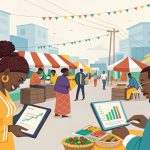
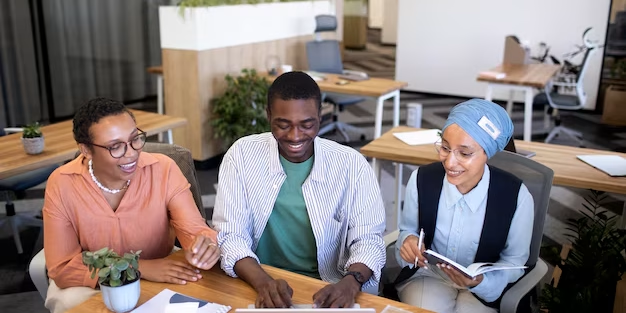
When we discuss Event Marketing Strategy in Nigeria, we recognize a significant opportunity to enhance brand visibility. By integrating local culture with effective engagement techniques, we craft memorable experiences that resonate deeply with audiences. The incorporation of hybrid events further expands our reach, while a strong focus on clear objectives ensures impactful outcomes and measurable success. Additionally, leveraging feedback allows us to refine our future approaches. Collaborating with Novatia Consulting can uncover valuable insights and innovative strategies specifically tailored to our unique market. If you're interested in practical implementations of these strategies, there's a wealth of information to delve into.
Key Takeaways
Event Marketing Strategy in Nigeria: Embracing Cultural Integration for Enhanced Audience Engagement
– Event marketing strategy in Nigeria emphasizes the importance of cultural integration to enhance audience engagement and reflect local traditions.
Event Marketing Strategy in Nigeria: The Power of Hybrid Events for Broader Reach
– The event marketing strategy in Nigeria incorporates hybrid events, allowing for a broader reach while maintaining intimacy, catering to diverse audience preferences.
Event Marketing Strategy in Nigeria: Setting Clear Objectives and Audience Segmentation
– A successful event marketing strategy in Nigeria relies on clear objectives and audience segmentation to guide effective strategies and maximize event impact.
Event Marketing Strategy in Nigeria: Enhancing Attendee Satisfaction Through Interactive Activities
– The event marketing strategy in Nigeria involves incorporating interactive activities and real-time feedback mechanisms to enhance attendee satisfaction and retention.
Event Marketing Strategy in Nigeria: Leveraging Social Media and Influencer Partnerships
– An effective event marketing strategy in Nigeria utilizes social media and influencer partnerships to promote events within local networks.
Understanding Event Marketing
Maximizing Brand Presence Through Event Marketing
When we think about event marketing, it becomes evident that it transcends the mere organization of an occasion; it is a strategic approach that significantly enhances a brand's presence in the market. By comprehensively understanding event marketing, we can leverage its potential to engage audiences and cultivate deeper connections.
Emerging Trends in Event Marketing: The Rise of Hybrid Events
Currently, we observe a plethora of event trends shaping the way brands engage with their customers. One notable trend is the rise of hybrid events, which seamlessly blend in-person and virtual experiences. This approach not only allows us to reach wider audiences but also maintains the intimate atmosphere of a live event. By staying informed about these event marketing trends, we can ensure our strategies remain relevant and effective.
Expanding Reach: The Role of Diverse Marketing Channels in Event Marketing
Furthermore, utilizing a variety of marketing channels is crucial for amplifying our event's reach. Social media platforms, email campaigns, and influencer partnerships can generate excitement and attract attendees. These channels serve not only as promotional tools but also as avenues for gathering real-time feedback, which helps us refine our event marketing strategies.
The Multi-Faceted Nature of Event Marketing: Crafting Resonant Experiences
Ultimately, understanding event marketing involves recognizing it as a multi-dimensional endeavor. It encompasses more than logistical considerations; it focuses on crafting experiences that resonate with our target audience. When we embrace a holistic perspective on event marketing, we enhance brand visibility and establish enduring relationships with our audience. By adopting innovative trends and leveraging a variety of marketing channels, we position ourselves for success in a competitive landscape. Let's prepare to make our mark in the world of event marketing!
Importance of Event Marketing
In today's competitive landscape, recognizing the significance of event marketing is crucial for any brand aiming to engage effectively with its audience. By harnessing various event types, we can craft unforgettable experiences that resonate with our target demographic. Whether it's a product launch, trade show, or community gathering, each event type presents unique marketing channels that enhance our promotional strategies.
Audience interaction lies at the core of successful event marketing. By creating engaging environments, we encourage participation, fostering deeper connections with our audience. This involvement not only elevates brand visibility but also allows us to demonstrate our cultural relevance, making our brand more relatable and appealing. In Nigeria's diverse landscape, embracing local customs and traditions can significantly amplify our message and fortify our brand's identity.
Furthermore, event marketing offers a wealth of sponsorship opportunities. By partnering with complementary brands, we can extend our reach and pool resources, which is particularly advantageous in Nigeria's dynamic market. The integration of digital platforms further enhances our efforts, enabling us to broaden our events through social media and online channels, reaching audiences who may not attend in person.
Key Objectives of Event Marketing
Setting clear objectives is essential for successful event marketing, as these goals guide our strategies and measure our outcomes. When we define our event marketing objectives, we're not just setting a target; we're laying the foundation for effective strategic planning. Our marketing goals must correspond with our overall business aspirations, ensuring that every effort contributes to our growth.
One of the primary objectives we should focus on is audience involvement. By crafting engaging event marketing experiences that resonate with our attendees, we can foster deeper connections, which in turn boosts our brand visibility. The more involved our audience is, the more likely they are to become loyal advocates for our brand.
Moreover, we can't overlook the importance of collecting event feedback. This feedback is invaluable; it allows us to assess the effectiveness of our promotional tactics and identify areas for improvement. By analyzing this data, we can refine our approach for future events, ensuring that our event marketing strategies are always evolving.
Budget management also plays a pivotal role in achieving our event marketing objectives. By carefully allocating resources, we can maximize our impact without overspending. Ultimately, successful event marketing is about striking a balance between our marketing goals and practical execution.
Identifying Your Target Audience
How can we truly connect with our audience if we don't first understand who they are? Identifying your target audience is the cornerstone of any successful event marketing strategy. In Nigeria's diverse landscape, we need to dive deep into the specifics of our target demographics. This means looking beyond basic age and gender statistics to understand their interests, values, and behaviors.
We can begin by employing audience segmentation, breaking our broader audience into smaller, more manageable groups. This process allows us to tailor our messaging and offerings to resonate with each segment. For instance, are we targeting young professionals seeking networking opportunities, or families looking for entertainment? By defining these segments, we can create targeted campaigns that speak directly to their needs and preferences.
Additionally, we should consider the cultural nuances that influence our audience. In a country as vibrant as Nigeria, what appeals to someone in Lagos might not resonate with someone in Kano. By conducting thorough market research and interacting directly with potential attendees through surveys or focus groups, we can gather invaluable insights.
Ultimately, the more we understand about our audience, the more effectively we can craft events that captivate and draw in. Our goal is to create an unforgettable experience that not only meets their expectations but exceeds them, fostering a genuine connection that keeps them coming back for more. Let's commit to identifying our target audience and watch our event marketing strategy flourish in Nigeria.
Leveraging Local Culture
Leveraging Local Culture in Event Marketing: Creating Memorable Experiences
Understanding our audience is just the beginning; the next step is to leverage local culture in our event marketing strategies. By utilizing cultural nuances and local traditions, we can create memorable experiences that resonate deeply with attendees. This approach not only improves involvement but also fosters a sense of community participation.
Integrating local culture into our events is a powerful way to celebrate heritage. Whether it's showcasing traditional dances or featuring native cuisine, we can immerse our audience in the rich tapestry of their culture. Collaborating with cultural ambassadors and local influencers can elevate our message, as these individuals possess invaluable insights and connections within the community.
Additionally, developing regional partnerships can provide us with access to resources and networks that enhance our event's authenticity. By coordinating our marketing strategies with cultural storytelling, we can capture the essence of local traditions and share them with a broader audience. This not only boosts attendance but also positions our brand as a genuine supporter of the community.
Moreover, understanding and implementing traditional elements in our events not only honors local customs but also builds trust with our audience. When people see their culture reflected in our marketing, they're more likely to participate and be involved.
Ultimately, by leveraging local culture, we not only enrich our event marketing strategy but also nurture lasting relationships with our audience, ensuring our events are not just attended but cherished. Let's make our events a true reflection of the vibrant cultures that surround us!
Choosing the Right Event Type
Choosing the Right Event Type: A Key to Marketing Success in Nigeria
Choosing the right event type can greatly impact the success of our marketing strategy. In Nigeria's vibrant landscape, selecting the appropriate event format isn't just a choice; it's a strategic decision that can improve audience involvement and drive our objectives forward. We need to evaluate various formats—whether it's a conference, trade show, workshop, or a more interactive experience like a festival or networking event. Each format comes with its unique strengths and can evoke different levels of participation from our audience.
For instance, if our goal is knowledge sharing, a conference or workshop could be ideal, as they typically encourage dialogue and learning. On the other hand, if we're aiming for brand visibility and interaction, a festival or a trade show might be more effective, providing a dynamic platform for direct involvement with potential customers.
Moreover, we must reflect on our target audience's preferences and behaviors. Are they more inclined towards formal networking or casual interactions? Understanding this can help us tailor our event format to foster the right atmosphere, ensuring we capture and maintain their attention throughout.
Ultimately, choosing the right event type can transform our marketing efforts, allowing us to build stronger connections and improve our brand's presence in the market. By thoughtfully analyzing these options, we can synchronize our event strategy with our overall goals, ensuring a memorable experience that resonates with our audience.
Developing a Unique Theme
Creativity: The Cornerstone of Event Marketing Strategy Through Unique Themes
Creativity serves as the cornerstone of a successful event marketing strategy, and developing a unique theme is essential in capturing our audience's imagination. A well-crafted theme not only sets the tone but also creates a cohesive narrative that resonates with our attendees. To achieve this, we need to engage in creative brainstorming sessions where every idea is welcomed, no matter how unconventional.
During these sessions, we should encourage team members to explore various thematic elements that can enrich our event's narrative. Consider how color schemes, decorations, and even the language we use can reflect our theme. For instance, if we're focusing on sustainability, we might incorporate eco-friendly materials and promote zero waste practices. This not only reinforces our theme but also aligns with current global trends that resonate with audiences today.
Moreover, a unique theme can distinguish our event from others in Nigeria's bustling market. It creates a memorable experience that draws attendees in, encouraging them to share their experiences through social media, consequently enhancing our reach. We should also consider how our theme can evolve over time, allowing us to adapt and stay relevant in an ever-changing landscape.
Budgeting for Your Event
Budgeting for Your Event: A Comprehensive Guide to Effective Financial Planning
When it comes to organizing a successful event, budgeting effectively is vital for ensuring that every aspect corresponds with our vision and goals. Our first step involves thorough cost estimation. By breaking down anticipated expenses—such as venue, catering, marketing, and entertainment—we can create a clear roadmap of our financial landscape. We should also account for unexpected costs, which means building in a contingency fund of around 10-15% of the total budget. This proactive approach will safeguard us against any unforeseen hurdles.
Next, budgeting for your event becomes our guiding light. It's important to establish our budget early and stick to it. Let's prioritize our spending by focusing on elements that correspond with our event's objectives and target audience. For instance, if our primary goal is brand visibility, we might allocate more funds to promotional activities rather than extravagant decor.
Moreover, we can explore various funding options. From sponsorships to partnerships, there are several avenues to supplement our budget. Engaging local businesses can not only improve our financial footing but also foster community ties.
Selecting the Right Venue
After establishing a solid budget, we turn our attention to selecting the right venue, a decision that can significantly influence the overall vibe and success of our event. Venue selection is not merely about finding an aesthetically pleasing space; it requires a comprehensive understanding of our goals and the audience we aim to attract.
First, we need to reflect on the location of our chosen venue. Is it easily accessible for our attendees? Are there sufficient parking and public transport options available? These factors play a crucial role in whether people decide to attend. Next, we should assess the venue's capacity. It's vital to select a space that comfortably accommodates our expected number of guests while also allowing for some flexibility.
We must also explore the logistics of the venue. What amenities are available? High-quality AV equipment, reliable Wi-Fi, and catering options can significantly enhance our event experience. Additionally, we should evaluate the layout—does it facilitate networking and interaction among attendees?
Another important aspect to consider is the ambiance of the venue. The design and decor should align with our event's theme and branding. We want our guests to feel the essence of our brand as soon as they enter the venue.
Promoting Your Event
To effectively promote our event, we must leverage a multifaceted approach that resonates with our target audience. By utilizing social media platforms, we can create engaging content that captures attention and drives interest in our event. We should consider influencer partnerships, as collaborating with local influencers can enhance our reach and lend credibility to our event promotion.
Email marketing serves as a powerful tool in our strategy, allowing us to directly communicate with potential attendees about our event. We can craft tailored messages that highlight key details and benefits, encouraging early registrations for our event. Additionally, local sponsorships can provide us with the necessary resources while tapping into existing community networks, boosting our event visibility.
Community outreach is essential; by connecting with local organizations and groups, we can foster relationships that promote our event organically. Using promotional materials like flyers and posters can also help us capture the interest of those who may not be active online regarding our event.
Implementing event countdowns on our social media can create excitement and urgency, reminding our audience about our event as the big day approaches. We should also invest in online advertising to reach a broader demographic, ensuring our event message is seen by those who correspond with our event's purpose.
Engaging Attendees During the Event
Engaging Attendees During the Event: Crafting Memorable Experiences
Engaging attendees during the event is crucial for creating a memorable experience that fosters connection and encourages participation. To achieve this, we must focus on incorporating interactive activities that not only capture attention but also stimulate conversation and collaboration among attendees. These activities can range from live polls and Q&A sessions to hands-on workshops that allow participants to interact deeply with the content and each other.
Moreover, we can elevate attendee networking by providing structured opportunities for participants to connect. Think speed networking sessions or themed discussion groups that encourage mingling and exchanging ideas. By creating an environment where attendees feel comfortable sharing their insights, we'll facilitate meaningful relationships that extend beyond the event itself.
We should also consider leveraging technology, such as event apps, to improve engagement. These platforms can facilitate real-time interaction, allowing attendees to submit questions, share feedback, and connect with others effortlessly. Gamification elements, such as leaderboards and challenges, can further drive participation, making the event not just informative but also entertaining.
Ultimately, our goal is to create an engaging atmosphere where attendees feel valued and capable of interacting. By prioritizing interactive activities and attendee networking, we not only improve the overall experience but also lay the groundwork for lasting connections. Let's commit to making our events dynamic and impactful, ensuring that every participant leaves with new knowledge, relationships, and memories.
Measuring Event Success
Measuring Event Success: Understanding Our Impact and Refining Strategies
Measuring event success is essential for understanding our impact and refining future strategies. In the dynamic landscape of Nigeria's event marketing, we must utilize effective event metrics to gauge our performance accurately. This process goes beyond mere attendance numbers; it invites us to explore various success indicators that reflect our objectives and audience involvement.
First, let's consider qualitative metrics. Feedback from attendees can reveal insights we might overlook. Surveys and interviews can help us assess satisfaction levels and areas for improvement. By analyzing this data, we can identify what resonated with our audience and what didn't, allowing us to tailor future events to their preferences.
Next, we should examine quantitative metrics, such as registration numbers, social media involvement, and post-event sales. These figures offer a concrete measure of our reach and impact. For instance, if we notice a spike in social media interactions during the event, it could indicate that our content struck a chord, serving as a powerful success indicator.
Moreover, we can track the return on investment (ROI). By comparing the costs of event execution against the revenue generated or leads acquired, we gain a clearer picture of our event's financial success.
Post-Event Follow-Up Strategies
Post-event follow-up strategies are crucial for enhancing the value of our events and fostering lasting relationships with attendees. Once the excitement has subsided, it's vital to focus on how we can sustain the momentum and further engage our audience. One of the most effective methods is through targeted email outreach. By sending personalized thank-you messages, we not only convey our gratitude but also remind attendees of the key takeaways from the event. This approach strengthens connections and keeps our brand at the forefront of their minds.
In addition to expressing appreciation, we should integrate feedback surveys into our follow-up strategy. Collecting insights from attendees enables us to pinpoint what worked well and what areas require improvement. By posing specific questions about their experiences, we can gather valuable data that will inform our planning for future events. Moreover, when attendees feel that their opinions are genuinely valued, it cultivates loyalty and encourages their participation in our next gathering.
Combining these strategies results in a robust post-event involvement plan. Email outreach and feedback surveys can be seamlessly integrated; for example, we can include a survey link within our thank-you emails, simplifying the process for attendees to share their feedback. Ultimately, these follow-up actions are not merely about maintaining relationships; they aim to establish an ongoing dialogue that enhances our event marketing strategy in Nigeria. By implementing structured follow-up strategies, we will not only elevate attendee satisfaction but also lay the groundwork for the success of future events.
Case Studies in Nigeria
As we refine our post-event follow-up strategies, examining the successful event marketing of #NaijaFest in Nigeria can provide valuable insights. This festival not only promoted Nigerian culture but also showcased innovative strategies that enhanced audience participation through interactive booths and performances, creating a vibrant atmosphere that fostered community involvement.
Another noteworthy campaign in Nigeria was the launch of a tech conference focusing on digital integration. By collaborating with key industry sponsors, the event maximized brand exposure while offering sponsorship opportunities that appealed to both local and international businesses. They implemented experiential marketing tactics, allowing attendees to connect with cutting-edge technologies firsthand, which resulted in heightened interest and increased attendance.
Moreover, utilizing feedback mechanisms post-event proved essential. Organizers gathered insights from participants, which informed future events and improved overall satisfaction. This approach not only demonstrated that they valued attendees' opinions but also fostered loyalty and trust in their brand.
Lastly, consider the significant impact of social media in these campaigns. Through strategic digital marketing efforts, events created buzz and anticipation, expanding their reach beyond physical attendees. By combining these elements—local partnerships, innovative strategies, and community involvement—Nigerian events have set high standards for successful event marketing. As we analyze these case studies, it becomes clear that a cohesive and engaging strategy can elevate an event's impact within Nigeria's dynamic landscape.
Partnering With Novatia Consulting
Partnering With Novatia Consulting: A Game-Changer for Event Marketing in Nigeria
Collaborating with Novatia Consulting can significantly enhance our event marketing efforts in Nigeria. By leveraging their expertise, we can transform our campaign strategies to ensure they resonate deeply with our target audience. Novatia's extensive experience in creating successful event partnerships enables us to utilize proven strategies that drive involvement and attendance.
When considering strategic alliances, partnering with Novatia Consulting opens up a network of influential contacts and industry leaders. This not only boosts our credibility but also amplifies our reach. Imagine the potential for co-branded events that merge our strengths with Novatia's established reputation. Together, we can craft unique experiences that leave a lasting impression on attendees.
Furthermore, Novatia's analytical approach provides us with data-driven insights that refine our marketing strategies. By understanding audience behavior and preferences, we can tailor our messaging and offerings to better meet their needs, ensuring higher conversion rates.
In a rapidly evolving market like Nigeria, standing out demands innovative thinking and strategic foresight. Novatia Consulting embodies both qualities. Their commitment to excellence aligns perfectly with our aspirations, making this partnership not just advantageous but essential for our success.
Frequently Asked Questions
How Can I Ensure My Event Stands Out in Nigeria's Market?
To ensure our event stands out in Nigeria's vibrant market, we must focus on unique themes that resonate with our audience. Collaborating with local partnerships can significantly enhance our reach and authenticity. By tapping into local culture and trends, we can create a memorable experience that actively involves attendees. Let's ensure our event reflects the community's spirit, transforming it into not just an occasion, but a celebration that people will discuss long after it concludes.
What Technologies Can Enhance My Event Marketing Strategy?
To enhance our event marketing strategy, we should leverage technologies that streamline event registration and boost audience involvement. Utilizing online platforms for seamless registration can save time and reduce friction for attendees. Additionally, interactive tools like live polls and social media integration can keep our audience engaged before, during, and after the event. By embracing these technologies, we can create a more dynamic experience that resonates with our target audience and drives attendance.
How Do I Measure ROI for My Event Marketing Efforts?
To effectively measure ROI for our event marketing efforts, we should concentrate on essential ROI metrics such as attendee feedback and participation tracking. By establishing clear objectives prior to our events, we can analyze event analytics to determine how successfully we achieved those goals. Additionally, it is vital to evaluate our budget allocation—did we spend our resources wisely? By integrating these approaches, we can garner valuable insights and ensure that our events yield the highest possible returns.
What Are Common Pitfalls in Event Marketing to Avoid?
When discussing common pitfalls in event marketing, we often identify issues such as poor event budgeting and lack of audience segmentation. If we do not allocate our budget wisely, we risk overspending or missing essential elements. Similarly, failing to segment our audience can lead to generic messaging that does not resonate. By prioritizing these common pitfalls in event marketing, we can enhance our event's impact and avoid costly missteps that undermine our marketing efforts.
How Can I Effectively Leverage Social Media for Event Promotion?
To effectively leverage social media for event promotion, it is essential to focus on audience targeting and social media analytics. By thoroughly analyzing our audience's preferences, we can tailor our content to resonate better with them. Utilizing targeted ads ensures that we reach the right people at the right time, maximizing our promotional efforts. Engaging visuals and compelling narratives can generate excitement and buzz around the event, while tracking engagement metrics allows us to refine our strategy for maximum impact. Let's dive in and make our event unforgettable!