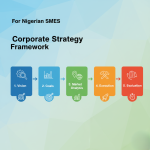


Corporate strategy in Lagos is the key to sustainable business growth. As Africa’s economic powerhouse, Lagos contributes over 30% of Nigeria’s GDP and is home to millions of ambitious businesses. Yet, many companies struggle to design strategies that actually work in this highly competitive and complex market.
So, what separates winning companies from those that barely survive? At Novatia Consulting, after helping over 300 Lagos-based and Nigerian companies build successful corporate strategies, we’ve identified the proven frameworks that consistently drive measurable results.
In this guide, we reveal practical methods and best practices for creating corporate strategies in Lagos and across Nigeria—strategies that not only adapt to the unique business environment but also deliver long-term growth and competitive advantage.
Why Lagos Demands a Different Strategic Approach
Lagos isn’t just another city—it’s West Africa’s commercial powerhouse with over 400 million potential customers across the region. However, success here requires understanding what makes this market different.
The city presents a fascinating paradox. On one hand, it offers Nigeria’s most sophisticated customer base, advanced infrastructure projects like the Lekki Free Trade Zone, and the country’s largest talent pool. On the other hand, companies face intense competition, complex regulations, and operational challenges unique to emerging markets.
Consider this: Lagos hosts more multinational headquarters than any other West African city, yet 70% of new businesses fail within their first three years. The difference between success and failure often comes down to strategic planning that addresses local realities.
Companies that win in Lagos don’t just adapt global strategies—they build from the ground up with local insights.
Understanding Lagos’s Complex Business Environment
Before diving into strategy development, successful companies first map Lagos’s business ecosystem. This involves three critical areas:
Market Dynamics: Lagos operates on multiple levels simultaneously. You have sophisticated financial districts in Victoria Island, manufacturing hubs in Ikeja, and emerging tech clusters in Yaba. Each area has different customer expectations, operational requirements, and growth opportunities.
Regulatory Landscape: Operating in Lagos means navigating federal policies, Lagos State regulations, and local government requirements. Smart companies build compliance into their strategy from day one, rather than treating it as an afterthought.
Infrastructure Realities: While Lagos leads Nigeria in infrastructure development, companies still face power challenges, traffic congestion, and connectivity issues. Winners turn these challenges into competitive advantages through strategic planning.
Phase 1: Market Intelligence That Actually Matters
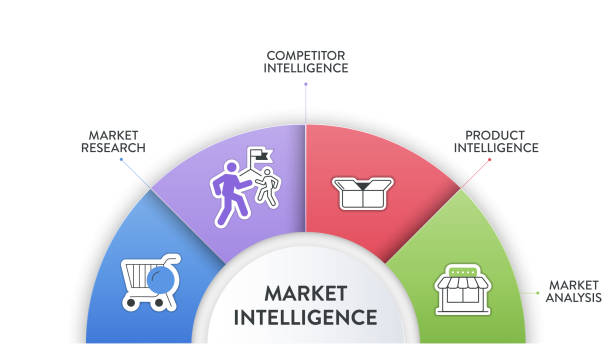
Most companies approach market research backwards—they start with what they want to sell instead of what Lagos customers actually need. Effective market intelligence begins with deep customer understanding.
Customer Segmentation Beyond Demographics
Lagos customers are more nuanced than simple demographic categories suggest. A successful tech startup we worked with discovered that their initial target of “young professionals” was too broad. Instead, they found success focusing on “ambitious professionals aged 25-35 who prioritize efficiency and are willing to pay premium for time-saving solutions.”
This level of specificity allows for precise value proposition development and resource allocation.
Competitive Analysis That Reveals Opportunities
Standard competitive analysis often misses the real picture in Lagos. Companies need to analyze:
- Direct competitors within their immediate market
- Substitute solutions customers currently use
- Emerging players that might disrupt the market
- International companies planning Lagos expansion
One manufacturing client discovered their biggest competition wasn’t other manufacturers—it was imported alternatives that customers preferred despite higher costs. This insight led to a quality-focused strategy that captured significant market share.
Stakeholder Mapping for Strategic Advantage
Lagos’s business success often depends on relationship management. Key stakeholders include government agencies, industry associations, financial institutions, and community leaders. Companies that map and cultivate these relationships gain competitive advantages in market access, funding, and operational support.
Phase 2: Strategic Positioning for Lagos Success
Positioning in Lagos requires balancing global standards with local preferences. This means developing value propositions that resonate with sophisticated customers while remaining accessible and relevant.
Value Proposition Development
Successful Lagos companies create value propositions around three core elements:
Quality and Reliability: Lagos customers increasingly demand international standards. However, they also value consistency and dependability above flashy features.
Local Understanding: Companies that demonstrate deep understanding of Nigerian culture, business practices, and customer behavior build stronger market positions.
Innovation with Practicality: While Lagos customers appreciate innovation, they prefer solutions that solve real problems rather than technology for technology’s sake.
Market Entry Strategies
For companies entering Lagos or expanding within the city, timing and sequencing matter enormously. Rather than attempting city-wide launches, successful companies often start with specific districts or customer segments, then expand systematically.
A financial services company we guided started in Victoria Island’s business district, perfected their model, then expanded to other commercial areas before targeting residential customers. This approach allowed them to refine operations while building reputation.
Competitive Differentiation
In Lagos’s crowded marketplace, generic differentiation strategies fail quickly. Instead, winning companies focus on:
- Operational excellence that customers can see and feel
- Innovation that solves specific Lagos challenges
- Service quality that exceeds customer expectations
- Partnership strategies that expand capabilities
Phase 3: Operational Excellence Strategy
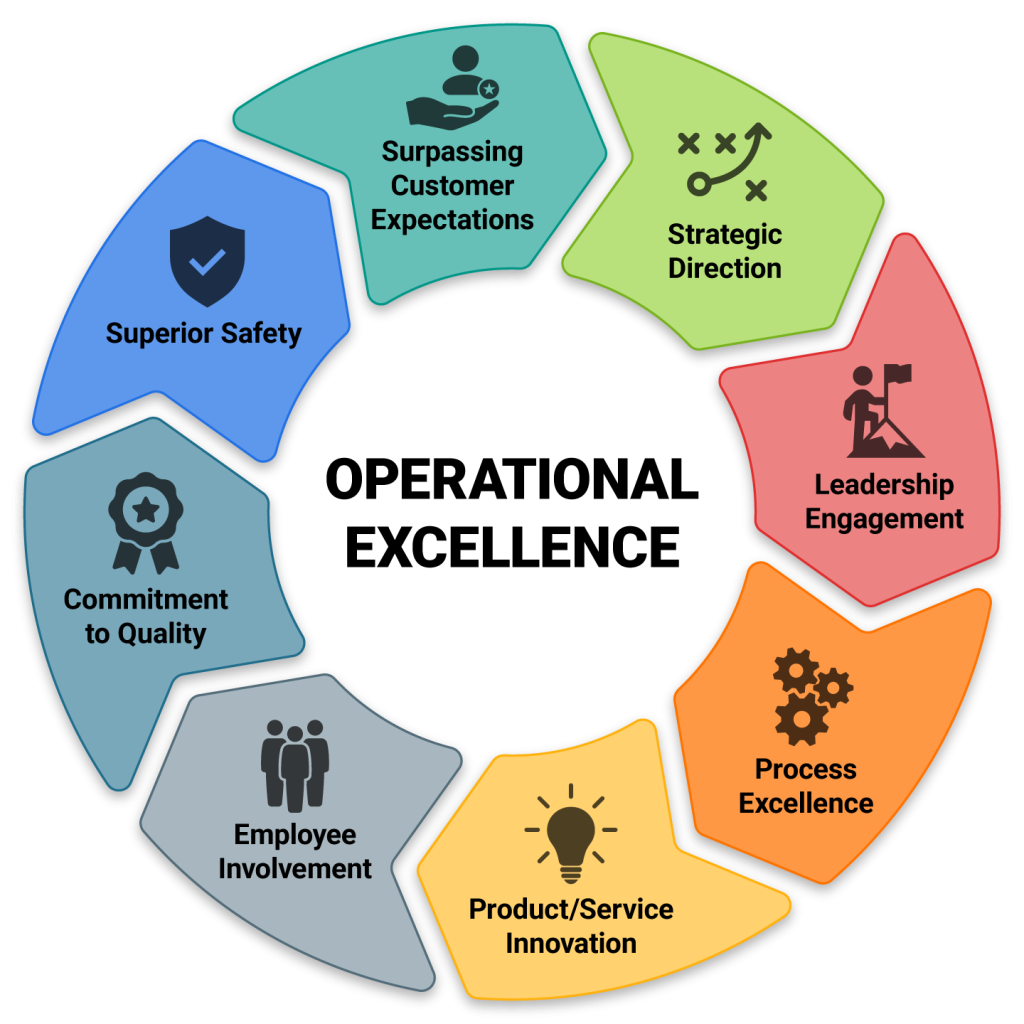
Lagos’s business environment rewards operational excellence while punishing inefficiency. Companies must build operations that work reliably despite infrastructure challenges.
Location Strategy
Physical location decisions significantly impact operational success in Lagos. Factors to consider include:
- Proximity to target customers and key suppliers
- Transportation accessibility for employees and customers
- Infrastructure reliability (power, internet, water)
- Future development plans that might affect the area
- Security considerations and emergency access
Technology Infrastructure
Technology strategy in Lagos requires redundancy and reliability. Successful companies typically invest in:
- Multiple internet service providers for connectivity backup
- Backup power systems for operational continuity
- Cloud-based systems for flexibility and scalability
- Mobile-first approaches that match customer preferences
Human Capital Strategy
Lagos offers Nigeria’s largest talent pool, but competition for skilled professionals is intense. Winning companies build comprehensive human capital strategies that include:
Talent Acquisition: Going beyond traditional recruiting to build talent pipelines through university partnerships, internship programs, and industry relationships.
Retention Programs: Creating work environments and career development opportunities that keep top performers engaged and growing.
Skills Development: Investing in employee development that aligns with strategic objectives while building individual capabilities.
Phase 4: Growth Strategy Development
Sustainable growth in Lagos requires careful planning and execution. Companies that grow successfully typically follow structured approaches to expansion.
Market Development Strategies
Growth within Lagos often starts with deeper penetration of existing market segments before expanding to new ones. This approach allows companies to:
- Build strong customer relationships and references
- Refine operations and service delivery
- Generate cash flow to fund expansion
- Develop market reputation and brand recognition
Product and Service Innovation
Innovation in Lagos works best when it addresses specific local challenges or opportunities. Rather than importing solutions from other markets, successful companies develop innovations based on Lagos market insights.
A logistics company we worked with developed a unique tracking system that accounts for Lagos traffic patterns and provides customers with realistic delivery windows. This innovation became a major competitive advantage.
Strategic Partnership Development
Partnerships often accelerate growth while reducing risk in Lagos’s complex market. Successful partnerships typically involve:
- Complementary capabilities that strengthen overall market position
- Shared values and operational approaches
- Clear agreements on roles, responsibilities, and success metrics
- Regular communication and performance review processes
Phase 5: Financial Strategy and Resource Allocation
Effective financial strategy in Lagos requires understanding both opportunities and constraints in local financial markets.
Capital Structure Optimization
Lagos companies have access to diverse funding sources, but each comes with specific requirements and costs. Optimal capital structures typically balance:
- Traditional bank financing for working capital needs
- Equity investment for growth capital and strategic development
- Government incentives and grants where available
- Trade financing for import/export operations
Performance Management Systems
Financial performance management in Lagos requires metrics that reflect both financial success and operational excellence. Key performance indicators should include:
- Revenue growth relative to market expansion
- Profitability trends and margin management
- Cash flow generation and working capital efficiency
- Market share development in target segments
- Customer satisfaction and retention rates
Industry-Specific Strategic Considerations
Different industries face unique challenges and opportunities in Lagos, requiring customized strategic approaches.
Financial Services Strategy
Lagos’s position as Nigeria’s financial hub creates both opportunities and competitive pressures for financial services companies. Successful strategies typically focus on:
- Digital transformation that improves customer experience while reducing operational costs
- Financial inclusion initiatives that tap into underserved market segments
- Risk management systems that account for local market conditions
- Regulatory compliance that maintains operating licenses while supporting growth
Technology and Startup Strategy
Lagos’s emerging technology ecosystem offers significant opportunities for startups and established tech companies. However, success requires strategies that address:
- Talent competition from both local companies and international firms
- Funding access through local and international investor networks
- Market validation approaches that account for diverse customer segments
- Scaling strategies that maintain service quality during rapid growth
Manufacturing Strategy
Manufacturing companies in Lagos face unique operational challenges that require strategic responses:
- Supply chain management that accounts for import dependencies and local sourcing opportunities
- Distribution strategies that work despite traffic and infrastructure challenges
- Quality management systems that meet both local and export market requirements
- Sustainability initiatives that address environmental regulations and community expectations
Strategic Implementation in Lagos Context
Strategy development is only valuable if it leads to successful implementation. Lagos companies must pay special attention to implementation challenges.
Change Management Considerations
Lagos’s diverse workforce requires thoughtful change management approaches. Successful implementation typically includes:
- Clear communication that explains why changes benefit both the company and employees
- Training programs that build necessary skills and confidence
- Leadership demonstration of commitment to strategic changes
- Regular feedback mechanisms that allow for course corrections
Resource Deployment Strategy
Effective resource deployment in Lagos often requires phased approaches that build capabilities while managing risk:
- Quick wins that demonstrate strategy value and build momentum
- Pilot programs that test approaches before full-scale implementation
- Contingency planning that addresses potential implementation challenges
- Success metrics that track progress and enable adjustments
Measuring Strategic Success in Lagos
Success measurement in Lagos requires balanced approaches that consider both financial and operational performance.
Financial Performance Indicators
Key financial metrics should reflect Lagos market realities:
- Revenue growth rates compared to relevant market benchmarks
- Profitability trends that account for local cost structures
- Return on investment calculations that reflect local capital costs
- Cash flow management relative to operational requirements
Market Position Indicators
Market success in Lagos extends beyond financial performance:
- Brand recognition and reputation within target market segments
- Customer satisfaction and loyalty scores relative to competitors
- Market share trends in core business areas
- Stakeholder relationship quality and development
Operational Excellence Measures
Operational metrics should reflect Lagos-specific challenges and opportunities:
- Process efficiency improvements over time
- Employee satisfaction and retention rates in competitive talent market
- Innovation output that addresses local market needs
- Risk management effectiveness in local operating environment
Future Trends Shaping Lagos Corporate Strategy
Successful corporate strategies anticipate future trends and position companies for long-term success.
Digital Transformation Acceleration
Digital adoption in Lagos continues accelerating, creating both opportunities and requirements for companies across all industries. Key trends include:
- Mobile-first approaches that match customer preferences and infrastructure realities
- Digital payment integration that reduces cash handling and improves customer experience
- Data analytics capabilities that support better decision-making and customer service
- Automation technologies that improve efficiency while managing labor costs
Sustainability and ESG Focus
Environmental, social, and governance considerations increasingly influence business success in Lagos:
- Environmental sustainability initiatives that address local pollution and resource challenges
- Social impact programs that build community relationships and support local development
- Governance practices that meet international standards while respecting local business culture
- Climate change adaptation strategies that protect business continuity
Regional Integration Opportunities
Lagos’s position as West Africa’s commercial hub creates opportunities for regional expansion:
- African Continental Free Trade Area benefits that reduce barriers to regional trade
- Regional supply chain optimization that improves efficiency and reduces costs
- Cross-border partnership development that expands market access
- International expansion strategies that use Lagos as a regional headquarters
Getting Professional Support
Building winning corporate strategy in Lagos often benefits from professional expertise, particularly when companies face:
- Entry into new markets or customer segments
- Significant competitive challenges or market disruption
- Major expansion or transformation initiatives
- Complex regulatory or operational challenges
- Long-term strategic planning requirements
Professional strategy development typically provides objective analysis, proven frameworks, industry expertise, implementation support, and ongoing strategic guidance.
At Novatia Consulting, we’ve developed specialized approaches for Lagos market strategy development based on our work with hundreds of local companies across diverse industries.
Frequently Asked Questions
How long does corporate strategy development take in Lagos? Most comprehensive corporate strategies require 12-16 weeks for development, including market research and stakeholder consultation. Implementation typically takes 18-36 months depending on strategy scope and company size.
What makes Lagos corporate strategy different from other markets? Lagos requires strategies that address intense competition, sophisticated customers, infrastructure challenges, and complex regulatory environments while capitalizing on the city’s economic diversity and growth opportunities.
How important is local knowledge for Lagos strategy development? Local knowledge is essential for success in Lagos. Understanding market dynamics, cultural preferences, regulatory requirements, and business networks often determines strategy success or failure.
What funding options support corporate strategy implementation in Lagos? Lagos offers diverse funding including commercial banks, development finance institutions, capital markets, private equity, venture capital, and government incentives. Successful companies typically use multiple funding sources.
How do small companies compete with large corporations in Lagos? Small companies succeed through focused strategies, operational agility, superior customer service, niche specialization, strategic partnerships, and technology adoption that creates competitive advantages.
What industries offer the best opportunities in Lagos currently? High-opportunity sectors include financial technology, e-commerce, healthcare technology, renewable energy, logistics, education technology, and professional services. However, success depends more on execution quality than industry selection.
How should companies measure strategic success in Lagos? Success measurement requires balanced approaches including financial performance, market position development, operational excellence, customer satisfaction, employee engagement, and stakeholder relationship quality.
What role does technology play in Lagos corporate strategy? Technology is essential for competitive advantage, operational efficiency, customer engagement, and business scaling. Companies must integrate digital solutions throughout their strategic planning and implementation.
How often should companies review and update their Lagos strategies? Formal strategy reviews should occur annually, with quarterly performance assessments and continuous monitoring of market changes, competitive developments, and operational performance.
What are the biggest strategic mistakes companies make in Lagos? Common mistakes include underestimating local competition, ignoring cultural factors, inadequate infrastructure planning, insufficient stakeholder relationship development, and attempting to scale too quickly without operational foundation.
Building a winning corporate strategy in Lagos Nigeria requires understanding local market realities while maintaining global standards for excellence. Companies that succeed combine thorough market intelligence, strategic positioning, operational excellence, and careful implementation to create sustainable competitive advantages.
The key is starting with solid foundations, then building systematically toward long-term success. With proper planning and execution, Lagos offers tremendous opportunities for companies ready to invest in strategic success.