

Nigerian businesses face mounting pressure to modernize their operations or risk falling behind competitors. Supply chain digitization represents one of the most significant opportunities for companies to reduce costs, improve efficiency, and build resilience in an increasingly complex market environment. Yet many organizations struggle to know where to start or how to implement digital solutions effectively.
The transformation from manual, paper-based processes to integrated digital systems isn’t just about technology—it’s about reimagining how your business operates. Supply chain digitization in Nigeria requires understanding local infrastructure challenges, regulatory requirements, and market dynamics that shape successful implementation strategies.
At Novatia Consulting, we’ve guided hundreds of Nigerian companies through successful digital transformation journeys. This comprehensive guide shares our proven methodologies, real-world insights, and practical strategies that will help your organization build a competitive advantage through supply chain digitization.
Why Supply Chain Digitization in Nigeria Is Critical for Business Competitiveness
Traditional supply chain management in Nigeria creates unnecessary costs and delays that directly impact profitability. Manual inventory tracking leads to stockouts and overstock situations. Paper-based documentation slows customs clearance and increases error rates. Limited visibility into supplier performance makes it difficult to maintain quality standards or negotiate better terms.
Nigerian companies implementing supply chain digitization typically see 25-40% reduction in operational costs within the first year. Digital systems provide real-time visibility into inventory levels, supplier performance, and delivery schedules. This transparency allows businesses to make proactive decisions rather than reactive adjustments when problems arise.
The competitive landscape in Nigeria increasingly favors companies with agile, responsive supply chains. Customer expectations for faster delivery and better service continue rising. Businesses that fail to digitize their supply chain operations find themselves losing market share to more efficient competitors who can deliver superior customer experiences at lower costs.
Novatia Consulting’s Proven Framework for Digital Supply Chain Solutions Nigeria
Our framework begins with comprehensive assessment of current supply chain processes and digital readiness. We analyze existing systems, identify inefficiencies, and evaluate organizational capacity for change, thereby preventing costly mistakes that occur when companies rush into technology implementation without proper planning.
The second phase focuses on developing tailored digital supply chain solutions Nigeria businesses can actually implement and sustain. We prioritize quick wins that demonstrate ROI while building foundation for more complex transformations. Our approach balances international best practices with local market realities and infrastructure constraints.
Implementation support distinguishes our framework from theoretical consulting approaches. We stay engaged throughout the deployment process, providing hands-on guidance for system integration, staff training, and process optimization. This partnership approach ensures that digital transformations achieve intended benefits rather than creating new operational challenges.
How to Digitize Supply Chain in Nigeria: A Step-by-Step Approach
Start by mapping your current supply chain processes from end to end. Document every step from supplier selection through final delivery to customers. Identify bottlenecks, manual interventions, and information gaps that create delays or errors. This baseline assessment provides the foundation for all subsequent digitization efforts.
Prioritize digitization initiatives based on potential impact and implementation difficulty. Quick wins might include digital inventory management or automated supplier communications. More complex initiatives like predictive analytics or IoT implementation require greater investment and longer timeframes but deliver substantial long-term benefits.
Build internal capabilities alongside technology deployment. Staff training and change management are often overlooked but critical success factors. How to digitize supply chain in Nigeria effectively requires developing internal expertise that can sustain and optimize digital systems after initial implementation is complete.
Key Technologies Driving Supply Chain Digitization in Nigeria’s Emerging Markets
Cloud-based platforms provide affordable access to sophisticated supply chain management capabilities. Nigerian businesses no longer need massive upfront investments in hardware and software infrastructure. Cloud solutions offer scalability that matches business growth while reducing IT maintenance requirements.
Mobile technology addresses Nigeria’s unique connectivity challenges while enabling real-time data collection. Field representatives can update inventory levels, capture delivery confirmations, and communicate with suppliers using smartphones. Mobile apps work even with intermittent internet connectivity, ensuring business continuity.
Artificial intelligence and machine learning tools help Nigerian companies optimize complex supply chain decisions. These technologies analyze historical data to predict demand patterns, optimize inventory levels, and identify potential supplier risks. Supply chain digitization in Nigeria increasingly relies on AI to handle complexity that manual processes cannot manage effectively.
Overcoming Infrastructure Challenges in Digital Supply Chain Solutions in Nigeria
Power supply instability affects many Nigerian businesses but shouldn’t prevent supply chain digitization initiatives. Cloud-based solutions reduce dependence on local infrastructure while backup power systems protect critical operations. Mobile hotspots provide connectivity alternatives when fixed internet services fail.
Limited internet bandwidth requires careful selection of digital supply chain solutions Nigeria companies can actually use reliably. Lightweight applications that work with 2G and 3G connections ensure broader accessibility. Progressive web apps load quickly and function offline when connectivity is interrupted.
Rural supplier networks present unique challenges that require creative solutions. SMS-based communication systems work with basic phones when smartphone adoption is limited. QR codes enable quick data capture without complex technology requirements. Hybrid approaches combining digital and traditional methods ensure comprehensive supply chain coverage.
The Role of Data Analytics in Supply Chain Digitization in Nigeria
Data analytics transforms raw operational information into actionable business insights. Nigerian companies generate massive amounts of supply chain data but often lack tools to extract meaningful patterns. Analytics platforms identify trends in supplier performance, seasonal demand variations, and inventory optimization opportunities.
Predictive analytics help businesses anticipate problems before they impact operations. Historical data reveals patterns that indicate potential supplier delays, quality issues, or demand fluctuations. This foresight enables proactive adjustments that prevent disruptions rather than reactive responses after problems occur.
Real-time dashboards provide visibility that enables better decision-making across all organizational levels. Executives track key performance indicators while operational staff monitor daily metrics. Supply chain digitization in Nigeria creates data-driven cultures that make decisions based on evidence rather than intuition or outdated information.
Building Resilient Supply Chains Through Digitization in Nigeria’s Diverse Regions
Regional diversity in Nigeria requires supply chain strategies that account for different infrastructure, cultural, and economic conditions. Digital solutions must work equally well in Lagos’s sophisticated business environment and rural communities with limited connectivity. Flexible platforms adapt to local conditions while maintaining operational consistency.
Risk management becomes more sophisticated with digital supply chain solutions Nigeria businesses can use to monitor multiple threat categories. Currency fluctuations, political instability, and infrastructure failures require different response strategies. Digital systems provide early warning capabilities and automated contingency activation.
Supplier diversification strategies benefit significantly from digital platforms that manage complex multi-vendor relationships. Real-time performance monitoring identifies reliable suppliers while flagging potential risks. Digital communication systems maintain relationships across geographic distances that would be difficult to manage manually.
How to Integrate ERP Systems for Supply Chain Efficiency in Nigeria
ERP integration connects supply chain operations with financial management, customer relationships, and business intelligence systems. This connectivity eliminates data silos that create inefficiencies and errors. Integrated systems provide single sources of truth that improve decision-making accuracy across all business functions.
Phased implementation approaches reduce disruption while building organizational confidence in new systems. Start with core modules like inventory management and procurement before adding more complex functionality. How to digitize supply chain in Nigeria successfully often depends on managing change at a pace the organization can absorb effectively.
Training and support programs ensure that ERP investments deliver intended benefits. Technical training covers system functionality while process training helps staff understand how integrated workflows improve efficiency. Ongoing support addresses questions and optimizes system configuration as business needs evolve.
Digital Supply Chain Solutions Nigeria for Manufacturing and Distribution Businesses
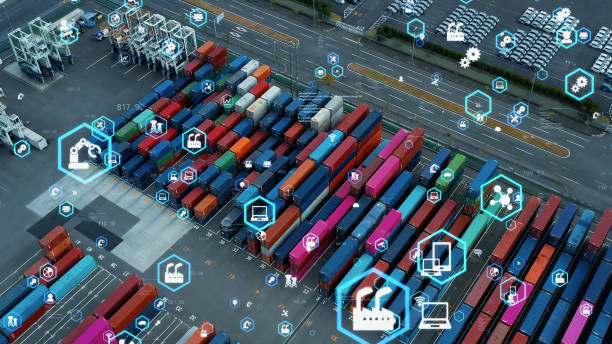
Manufacturing companies require digital solutions that coordinate production scheduling with raw material availability and customer demand. Real-time inventory tracking prevents production delays while demand forecasting optimizes capacity utilization. Quality management systems ensure consistent product standards across multiple production lines.
Distribution businesses benefit from route optimization algorithms that reduce transportation costs and improve delivery times. Digital logistics platforms coordinate multiple vehicles, warehouses, and delivery schedules in real-time. Customer communication systems provide delivery tracking and exception management that improves service quality.
Both sectors need digital supply chain solutions Nigeria businesses can integrate with existing operations without major disruptions. Modular platforms allow gradual implementation while maintaining current business processes. API connectivity enables integration with specialized industry software and equipment.
Cybersecurity Considerations in Supply Chain Digitization in Nigeria
Digital transformation increases cybersecurity risks that Nigerian businesses must address proactively. Supply chain systems contain sensitive financial data, customer information, and competitive intelligence. Cyber attacks can disrupt operations and damage business relationships with customers and suppliers.
Access control systems ensure that only authorized personnel can view or modify supply chain data. Multi-factor authentication prevents unauthorized access even when passwords are compromised. Regular security audits identify vulnerabilities before they can be exploited by malicious actors.
Staff training programs teach employees to recognize and respond to cybersecurity threats. Phishing attacks often target supply chain personnel with access to valuable information. Supply chain digitization in Nigeria requires building security awareness alongside technical capabilities to protect digital investments.
Leveraging IoT for Real-Time Supply Chain Monitoring in Nigeria
Internet of Things sensors provide real-time visibility into inventory levels, equipment performance, and environmental conditions. Temperature monitoring prevents spoilage of perishable goods during transportation. GPS tracking provides accurate delivery estimates and theft prevention capabilities.
Warehouse automation benefits significantly from IoT integration that monitors equipment efficiency and predicts maintenance requirements. Sensor data identifies bottlenecks in material handling processes and optimizes workforce deployment. Automated alerts notify managers of situations requiring immediate attention.
Rural applications of IoT technology must account for limited connectivity and power infrastructure. Solar-powered sensors with satellite communication enable monitoring in remote locations. Battery backup systems ensure continuous operation during power outages that commonly affect Nigerian businesses.
How to Digitize Supply Chain in Nigeria for SMEs and Startups
Small and medium enterprises need cost-effective digital solutions that provide immediate benefits without massive upfront investments. Cloud-based platforms offer subscription pricing that matches cash flow capabilities. Mobile applications provide sophisticated functionality without requiring expensive hardware purchases.
Startup companies can build digital supply chain capabilities from inception rather than retrofitting existing manual processes. This greenfield advantage allows implementation of best practices without legacy system constraints. How to digitize supply chain in Nigeria for new businesses often involves choosing platforms that support rapid scaling.
Partnership strategies help SMEs access enterprise-level capabilities through shared services and industry collaborations. Digital platforms enable small suppliers to participate in larger supply chains that would be inaccessible through traditional relationship models. Technology levels the playing field between large and small businesses.
The ROI of Digital Supply Chain Transformation in Nigeria’s Competitive Markets
Cost reduction represents the most immediate and measurable benefit of supply chain digitization initiatives. Automated processes reduce labor requirements while improving accuracy and speed. Inventory optimization frees up working capital for other business investments. Transportation efficiency reduces logistics costs per unit shipped.
Revenue enhancement opportunities emerge from improved customer service capabilities. Faster order processing and delivery lead to higher customer satisfaction and repeat business. Real-time inventory visibility enables better demand fulfillment and reduced lost sales. Supply chain digitization in Nigeria creates competitive advantages that support premium pricing.
Risk mitigation benefits become apparent during crisis situations that test business resilience. Digital systems provide flexibility to adjust operations quickly when disruptions occur. Diversified supplier networks enabled by digital platforms reduce dependence on single sources. Business continuity improves significantly with proper digital infrastructure investments.
Case Study: Successful Supply Chain Digitization with Novatia Consulting
A leading Nigerian food processing company approached Novatia Consulting facing challenges with inventory management across multiple production facilities and distribution centers. Manual tracking systems created frequent stockouts and overstock situations. Poor visibility into supplier performance led to quality issues and delivery delays that affected customer satisfaction.
Our team implemented a comprehensive digital supply chain solution that integrated inventory management, supplier portal, and customer communication systems. Mobile applications enabled real-time updates from field personnel while analytics dashboards provided management visibility. The phased implementation approach minimized disruption to ongoing operations.
Results exceeded client expectations within six months of full deployment. Inventory carrying costs decreased by 35% while customer service levels improved significantly. Supplier performance monitoring led to better partnerships and reduced quality issues. How to digitize supply chain in Nigeria effectively requires balancing technological capabilities with organizational change management, as demonstrated by this successful transformation.
Future Trends Shaping Digital Supply Chain Solutions
Blockchain technology promises to improve transparency and traceability in Nigerian supply chains. Food safety and product authenticity concerns drive demand for systems that track products from origin to consumer. Smart contracts automate compliance verification and payment processing while reducing transaction costs.
Artificial intelligence capabilities continue advancing rapidly with applications in demand forecasting, route optimization, and predictive maintenance. Machine learning algorithms become more sophisticated at identifying patterns in complex supply chain data. Nigerian businesses will increasingly rely on AI to manage supply chain complexity that human analysts cannot handle effectively.
Sustainability requirements influence digital supply chain solutions Nigeria businesses will need to implement. Carbon footprint tracking and circular economy principles require new metrics and reporting capabilities. Supply chain digitization in Nigeria must address environmental and social responsibility concerns alongside operational efficiency objectives.
Frequently Asked Questions
How much does supply chain digitization in Nigeria typically cost? Costs vary based on company size and complexity, ranging from $10,000 for SMEs to over $500,000 for large enterprises. Cloud-based solutions reduce upfront investments while subscription pricing spreads costs over time.
What are the biggest challenges for digital supply chain solutions Nigeria businesses face? Infrastructure limitations, staff training needs, and integration with existing systems represent the most common challenges. Poor internet connectivity and unreliable power supply require careful planning and backup solutions.
How long does it take to digitize supply chain operations in Nigeria? Basic implementations take 3-6 months while comprehensive transformations require 12-18 months. Phased approaches allow businesses to realize benefits during implementation rather than waiting for project completion.
Can small businesses afford digital supply chain solutions in Nigeria? Yes, cloud-based platforms and mobile applications provide affordable entry points. Many solutions offer scaling pricing that matches business growth, making digitization accessible to companies of all sizes.
What ROI should businesses expect from supply chain digitization in Nigeria? Most companies see 15-30% cost reduction within the first year, with additional benefits in customer service and risk management. ROI varies by industry and implementation scope but typically pays for initial investments within 18-24 months.
How does supply chain digitization in Nigeria handle power and connectivity issues? Modern solutions include offline capabilities, mobile data options, and cloud-based architecture that reduces dependence on local infrastructure. Battery backup systems and mobile hotspots provide continuity during outages.
What skills do staff need for digital supply chain management? Basic computer literacy and smartphone usage are sufficient for most applications. Comprehensive training programs help staff adapt to new systems while technical support handles complex configuration and maintenance tasks.
Should companies hire consultants for supply chain digitization projects? Consulting expertise significantly improves success rates by avoiding common implementation mistakes and optimizing system configuration. Local consultants understand Nigerian business conditions and regulatory requirements that affect digital transformations.
How do digital supply chains comply with Nigerian regulations? Modern platforms include compliance features for tax reporting, customs documentation, and industry regulations. Automated systems reduce human errors while audit trails provide documentation for regulatory reviews.
What happens if digital supply chain systems fail? Proper implementations include backup systems, data recovery procedures, and manual override capabilities. Business continuity planning ensures operations can continue during system maintenance or unexpected failures.